 A specialist NHS service delivered by Lancashire Teaching Hospitals NHS Foundation Trust is helping children and adults live more confidently with scarring and skin conditions - yet many patients only discover it exists once they are referred.
The service is also designed to assist with physical and mental wellbeing, and helping people engage in their activities of daily living where they have perhaps not been able to or felt able to since their injury or trauma.
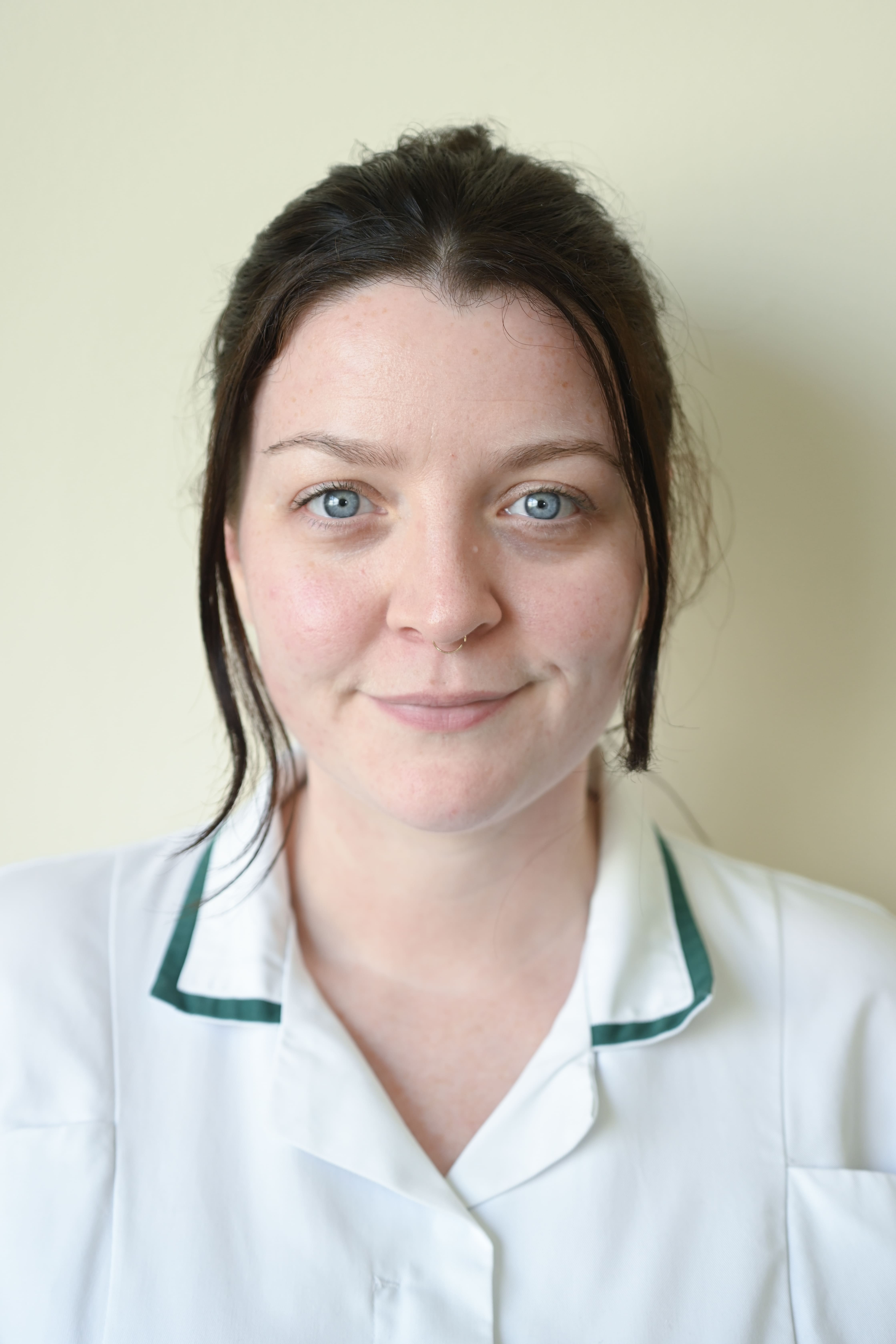
The Medical Camouflage Service is led by Sophie Hennessey, Specialist Occupational Therapist, who sits across the Burns and Plastics Therapy Team, Outpatient Hand Therapy Team and Skin Camouflage Service, providing highly specialist support to patients from all across Lancashire and South Cumbria.
Sophie's role is very much a niche within her profession, performing such a specialist service, and she explained: “The Medical Camouflage service sees a diverse patient group of both children and adults, which makes our service very unique. It is also not limited to burns scarring - it can be post-surgical or reconstructive scarring, as well as a range of dermatological conditions. The main criteria for a patient coming to the clinic is that their scarring is healed, in order to apply the products."
When Sophie took on responsibility for the service, there was a significant waiting list following the retirement of a long-standing colleague.
“We were working through a waiting list that was about three years long,” she says. “Thankfully, I’ve now worked my way through that, and we’re pretty much business as usual - accepting new referrals and seeing patients routinely again.”
The clinic now runs twice a week, which Sophie says places it ahead of many similar services elsewhere.
“Some services only run a clinic once a month, and some only see adults or only see burns,” she explains. “Our service here at RPH is very different in that sense, and the demand for the service is definitely there."
As it is a lesser-known service, it is important to manage the patient’s expectations of what the service is and involves before attending their first appointment, and each patient is sent out a pre-appointment letter outlining this.
“Often when people arrive to their first appointment, they’re not quite sure what it is they've come for, or haven’t been given any prior information - some people think they’re coming for permanent makeup, tattooing or micro needling, and that's not what the service provides.
"The products are essentially medical creams that come in a variety of skin tones and colour correctors, and the purpose of the appointment is to try and match the affected area to the surrounding skin and try to camouflage things like redness, darkness or purple tones etc."
These products are significantly different from high street cosmetics. “If we have managed to achieve a successful colour match, then a finishing powder is also matched and applied on top of the creams, completing the application process. Once fully applied, the area is then waterproof so people can swim, exercise and go about their day, and the creams will last until it is removed that night."
This distinction is particularly important for some patients.
“We get a variety of patients referred into the service and it’s important to outline the distinction that the products are not make-up - they are pigmented creams and a medical camouflage product. Hopefully this distinction and changing the language used makes the service and products more inclusive for all patients and try to break any existing stigma."
All the products we use can be independently purchased online, however, this can be an expensive option for patients especially when the price for one cream can be around £25, and if you’re not sure what colour(s) you need, that could easily mount up.
Sophie added: "The medical camouflage service is a bespoke service where the products are carefully selected and matched to meet the needs of the patient. A patient’s initial appointment is one hour, where we can apply, adjust and remove products as needed and if we don't achieve a successful match, further appointments can be made to try again. Patients don't just get one appointment only.
"Every patient I see is different, so it is about working out what the patient wants to focus on and trying to find a match that works and that can fit into their lifestyle.”
As an occupational therapist, Sophie takes a holistic approach to every appointment: "I am an Occupational Therapist which means that the patient is at the centre of my approach and I look at patients as a whole person.
"Having scarring or a skin condition can have a deep emotional impact on someone, in their appointment with me we can talk about the impact on their daily life and work towards giving them an outcome that is positive and can hopefully facilitate or empower people to return to their activities of daily living, or improve their overall confidence or feelings towards their scarring or skin condition etc."
Patient feedback has been overwhelmingly positive - a lot of patients comment that they didn't even know that this service existed.
Skin camouflage has been part of NHS care for decades, and the service at Lancashire Teaching Hospitals dates back to the 1980s. The products themselves were first developed in the 1970s, originally for TV and film before being adapted for medical use.
“It’s been embedded in the Trust for a long time,” Sophie says. “After there was a gap in the service, I’m really keen to put it back on the map and show what it can do.”
Ultimately, the motivation is simple: “If this helps people feel better about themselves, feel more confident or just makes daily life easier,” Sophie says, “then that’s something worth shouting about.”