
Monday to Friday, 9am - 5pm
(excluding Bank Holidays)
OncologyPsychology.Referrals@LTHTR.nhs.uk
07759 120983 - Monday to Wednesday
07724 873026 - Thursday to Friday
01772 523252 - Monday to Friday voicemail only)
This service is delivered in collaboration with the following organisations:
- Lancashire Teaching Hospitals NHS Foundation Trust
- University Hospitals of Morecambe Bay NHS Foundation Trust
- Lancashire and South Cumbria Integrated Care Board
The Macmillan Psychological Health in Cancer Service offers emotional and psychological support to people affected by cancer. Whether you are newly diagnosed, currently undergoing treatment, or living with and beyond cancer your emotional wellbeing matters, and support is available for you.
We are a group of psychological professionals who can meet with you to discuss the impact cancer, and its treatment is having on you and your life. Together, we can consider if psychological support could help to support with any of the difficulties you are experiencing.
Our service is funded by Macmillan Cancer Support and Lancashire Teaching Hospitals NHS Foundation Trust. The service is here to help patients under the care of both Lancashire Teaching Hospitals and University Hospitals of Morecambe Bay. It aims to make it easier for you to access support throughout your cancer diagnosis.
Please note that the Macmillan Psychological Health in Cancer Service is not an emergency mental health service. The service is available Monday to Friday between the hours of 9am – 5pm (Excluding bank holidays)
If you require immediate mental health support, please contact the Initial Response Service provided by Lancashire and South Cumbria NHS Foundation Trust on 0800 953 0110. This service is for people experiencing mental health crises and offers assessment, advice, and referrals to appropriate support services. Other options include calling NHS 111 or the Wellbeing Helpline and Texting Service on 0800 915 4640 or texting 'Hello' to 07860 022846.
- What is psychology?
Psychology is the study of how our minds work and how this affects the way we feel, think and behave. It helps us understand why we react in certain ways by looking carefully at our thoughts, feelings and actions. Psychologists do this by observing, asking questions and using evidence-based methods to learn what might help people to feel and cope better.
What is psychological therapy?
Psychological (talking) therapy offers a safe, confidential space to talk about how cancer and its treatment have affected you emotionally, mentally, and psychologically. Living with or beyond cancer can bring many challenges, and therapy focuses on helping you make sense of these experiences, reduce distress, and find ways to cope and live well.
Therapy is not about being “unwell enough” or having a diagnosis of a mental health condition. Many people access therapy simply because cancer has had a significant impact on their life.
What is psychology not?
Psychologists do not prescribe medication. If you think you may benefit from medication to help you to manage, then please visit your GP who can review and monitor this.
We cannot read minds. We work with what you choose to tell us, and work together with you to find solutions or strategies to help you to live well with the cancer.
- The support offered by our service includes:
Living Well With and Beyond Cancer Events - A 3-hour event for patients, family members or carers aged 18+ living with and beyond cancer. These events explore the impact of cancer and the facilitation of ongoing support and recovery. These are usually in person and are held across Central Lancashire and South Cumbria.
Are you or a family member living with and beyond cancer? Would you like the opportunity to:
- Connect with others who are living with and beyond cancer
- Explore the impact that cancer can have on life as a whole
- Develop a personalised toolkit of resourcesFind out about additional support services
Upcoming Dates
To register for one of the following dates please visit Evenbrite via the links provided. Please note all attendees, including family members and carers, need to reserve their own ticket via Eventbrite.
Thursday 12th November 2026, 1pm, Millom Baptist Church
Living Well With and Beyond Cancer - Millom
Wednesday 25th November 2026, 1pm, Cottam Community Centre, Preston
Living Well With and Beyond Cancer - Preston
Friday 4th December 2026, 9:30am, Fatima Health Centre, Preston
Living Well With and Beyond Cancer - Fatima Health Centre, Preston
Wednesday 2nd December 2026, 1:30pm, Bare Village Club, Morecambe
Living Well With and Beyond Cancer - Bare Village Club, Morecambe
Group Programme - Living Well After a Cancer Diagnosis
This is an 8-week online psychological wellbeing group for people living with and beyond cancer. It's not group therapy where you're expected to talk about your personal experiences, although you're welcome to share if you wish. We explore practical ways of managing the emotional and day-to-day challenges of cancer, including stress, uncertainty, fatigue, and relationships, while also providing the opportunity to connect with others who understand what you're going through.
Location: Online, via Teams
Number of sessions: 7 sessions plus an appointment at the end of the programme to discuss your experience of the programme and review your current needs.
Duration: 2.5 hours each session (with comfort breaks).
Session overview:
- Session 1 - Introduction and understanding our mind
- Session 2 - Understanding our mind and stress responses
- Session 3 - Living according to our values
- Session 4 - Managing our energy and using it on what matters
- Session 5 - Making space for loss and uncertainty while moving forward
- Session 6 - Navigating relationships and getting our needs met
- Session 7 - Moving forward with compassion (creating a wellbeing plan for the future)
- Session 8 - Review of our experiences and current needs
Who can attend: Anyone living with and beyond cancer, living in Central Lancashire or South Cumbria.
How to book a place:
- If you are already with our service, you can ask your psychological practitioner to make a referral.
- If not, please request a referral and we can schedule you for an initial meeting where we can discuss this, and book you on the next available group
Please note that the group commencing on 15 September 2026 is now fully booked. Referrals are currently being accepted for the next group, which is scheduled to begin in early January 2027.
Group Programme - Sleeping Well - A 6-week series of sessions focussed on managing sleep difficulties while living with and beyond cancer.
This group programme is designed to support you to sleep better while managing the impact of cancer and its treatment. Sleep difficulties are common and understandable. We hope that by engaging with this programme, individuals can gain a good understanding of sleep and apply targeted techniques to improve sleep quality.
Location: Online, via Teams
Number of sessions: 6 sessions plus an appointment before the start of the programme to help you prepare for on-line sessions and an appointment at the end of the programme to discuss your experience of the programme.
Duration: 2 hours each session (with a comfort break mid-way).
Content:
- Session 1 - An introduction to sleep
- Session 2 - Thoughts about sleep (an introduction to CBT)
- Session 3 – Thoughts about sleep (an introduction to ACT)
- Session 4 - How we respond to sleep difficulties
- Session 5 - Sleep goals and personal values
- Session 6 - How to maintain and review progress
Who can attend: Anyone living with and beyond cancer who is experiencing sleep difficulties and lives in Central Lancashire or South Cumbria. Sleep difficulties can include getting to sleep, staying asleep or waking feel unrest.
How to book a place:
- If you are already with our service, you can ask your psychological practitioner to make a referral.
- If not, please request a referral and we can schedule you for an initial meeting where we can discuss this, and book you on the next available group.
Psychological Assessment (one off appointment) - A telephone appointment focused on how you are coping. Together we can then discuss what you may be finding hard, and what you’re already doing that works. We’ll explore what you might find useful moving forward, whether this be signposting to local support groups, accessing the groups offered here, an onward referral or individual therapy.
Psychological Therapy - We generally offer up to 8 sessions of individual one-to-one therapy sessions which can be held in-person, virtually (video call) or by telephone.
Psychological support for people living with and beyond cancer is not one size‑fits‑all. People’s needs vary depending on their diagnosis, treatment stage, personal history, and coping style. Our service offers a range of evidence‑based psychological approaches, delivered by clinicians with different professional backgrounds, to ensure you receive the most appropriate support.
All approaches are:
- Tailored to your individual needs
- Informed by research and clinical experience
- Focused on what matters most to you
You may work with one type of psychologist or therapist, or benefit from different approaches at different times. Regardless of professional title, all clinicians in the service aim to:
- Offer a safe, confidential, and non‑judgemental space
- Listen carefully to your experiences
- Work at your pace
- Respect your values, preferences, and choices
There is no “right” reason or “right” time to seek psychological support. Whether you are newly diagnosed, undergoing treatment, living with long term or incurable cancer, or adjusting to life beyond cancer, psychological therapy can offer support to help you cope and live as well as possible.
Support in hospital/ Inpatient support
Psychologists are an integral part of the cancer team and we can offer support to patients while they are in hospital. Our hospital bases include:
- Royal Preston Hospital
- Chorley and South Ribble Hospital
- Royal Lancaster Infirmary
- Furness General Hospital, Barrow
- Westmorland General Hospital, Kendal
We can visit you on hospital wards to provide timely, face-to‑face emotional support. These appointments can take place at the bedside or in quieter space where possible.
Being in hospital can bring up a wide range of emotions, including fear, anxiety, sadness, anger, or a sense of loss of control. Support is tailored to what feels most important for each person in that moment.
We can help you to:
- Talk openly about worries, fears, or uncertainties
- Make sense of emotional reactions to diagnosis, treatment, or changes in health
- Strengthen and develop practical strategies to help manage distress during hospital admission, such as anxiety and panic techniques.
- Supporting decision-making to process complex life-changing information and support you to make decisions about your treatment and care.
- Practice skills to use whilst in hospital to help you to manage being in hospital.
The ward or your medical team can refer you to us whilst you are an inpatient. This can be planned in advance if you are aware of an upcoming hospital admission or can be requested at any point whilst you are on the ward.
- Who do we support?
Support is available for individuals who:
- Have received a cancer diagnosis
- Are currently receiving care (treatment, surgery, or surveillance) at Lancashire Teaching Hospitals NHS Foundation Trust or University Hospitals of Morecambe Bay NHS Foundation Trust
- Are experiencing cancer-related psychological or emotional difficulties
- Are aged 18 and over
- Are registered with a GP practice in one of the following areas: Preston, Chorley, South Ribble, Lancaster, Morecambe, Kendal (South Lakeland), Ulverston, Barrow, or Millom.
Examples of the types of concerns we support with
We can support with many types of concerns which are related to cancer experiences. Please see some examples below:
- Coping and adjustment to living with cancer
- Depression / low mood as a result of the cancer diagnosis
- Specific anxiety (e.g. panic attacks, phobias) if this is impacting on accessing treatment and decisions regarding treatment.
- Fear of cancer progression/recurrence
- Post Traumatic Stress Disorder (PTSD) Trauma (related to cancer experiences)
- Decision-making difficulties (e.g., treatment choices)
- Mental health challenges preventing treatment / rehabilitation
- Communication difficulties (e.g. with healthcare professionals)
- Coping with end-of-life care
- Relationship challenges
- Psycho-sexual difficulties as a result of the surgery or radiotherapy treatment and physical changes or how this has impacted you psychologically
- Body image and self-confidence concerns
- Side-effect management (e.g., fatigue, nausea, pain, sleep)
- Adjustment to cognitive impairment
*Please note that this is not a comprehensive list*
- How can you access the service?
To access the service, please speak to a member of your healthcare team, such as.
- Cancer Nurse Specialist
- Oncologist
- GP
- District Nurse
- Hospice staff at either St Catherine’s, St John’s or St Mary’s
- A member of the Macmillan Cancer Information and Support Service
- CancerCare and CancerHelp professionals
What happens next?
Your healthcare professional will make a referral to us on your behalf. You will be contacted by telephone and scheduled a one-hour initial assessment appointment. If we cannot reach you by telephone we will write to you and offer you an assessment appointment.
During the assessment appointment we’ll talk about how cancer and its treatment have affected you. We’ll explore what you are already doing that helps you to cope, and together, we’ll explore whether you would benefit from additional psychological support from our service. We’ll then book you onto a group or add you to the 1-1 therapy waiting list.
Our service values everyone getting the right support at the right time. Therefore, we can help connect you with other services that better meet your needs. For example, if your psychological challenges are currently unrelated to cancer, we can signpost you to the local NHS Talking Therapies Service for support.
- Current venues
We know traveling and parking can be challenging, and we want to make accessing appointments in your area as easy as possible and accessible. We are reviewing our location venues with service users. Our current venues are:
- Rosemere Cancer Centre (Royal Preston Hospital)
- CancerHelp (Vine House, Preston)
- St Catherine’s Hospice (Preston)
- Chorley and South Ribble Hospital (Chorley)
- Royal Lancaster Infirmary (Lancaster)
- Queen Victoria Hospital (Morecambe)
- Westmorland General Hospital (Kendal)
- St John’s Hospice (Lancaster)
- Ulverston Medical Centre (Ulverston)
- St Mary’s Hospice Community Hub (Barrow in Furness)
- Furness General Hospital (Barrow in Furness)
Please note we can also offer remote appointments via telephone and video call.
- Travel and parking
Lancashire Teaching Hospitals NHS Foundation Trust site maps
University Hospitals of Morecambe Bay NHS Foundation Trust site maps
Maps pending
Parking permit
We are able to request hospital parking permits for individuals who have received a cancer diagnosis and who are frequent outpatient attendees. You are required to attend hospital appointments at least three times per month for a minimum of three consecutive months.
- Meet the team
Who provides psychological therapy?
We are a team of psychological professionals who are specially trained to support people facing difficult and often life‑changing situations, such as living with cancer.
Although you may notice that members of our team hold different professional titles or come from slightly different training backgrounds, we all share a high level of experience in understanding how thoughts, feelings, and behaviours interact, especially during times of distress.Some members of our team may use the title “Dr”, but this reflects our doctoral‑level training in psychology. We do not prescribe medication or admit people to hospital. Instead, we focus on providing psychological therapy, support and strategies to help people to cope.
Our team includes:
- Cognitive Behavioural Therapy (CBT) Therapists
- Clinical Psychologists
- Counselling Psychologists
Meet the Team
Dr Jen Pomfret
Consultant Clinical Psychologist and Clinical Lead
Dr Angela Waind
Macmillan Consultant Counselling Psychologist and Clinical Lead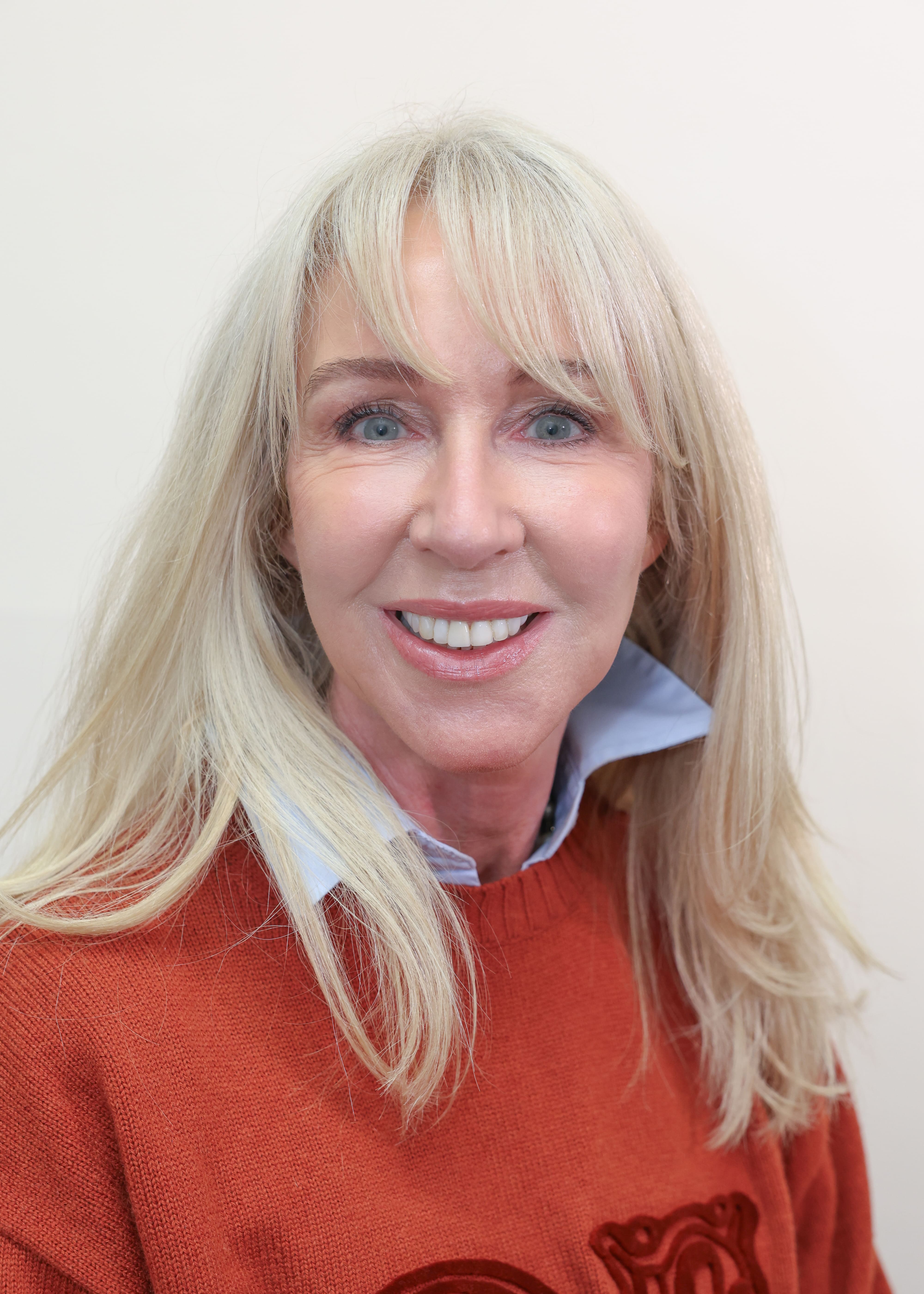
Dr Carolyn Plant
Macmillan Principal Clinical Psychologist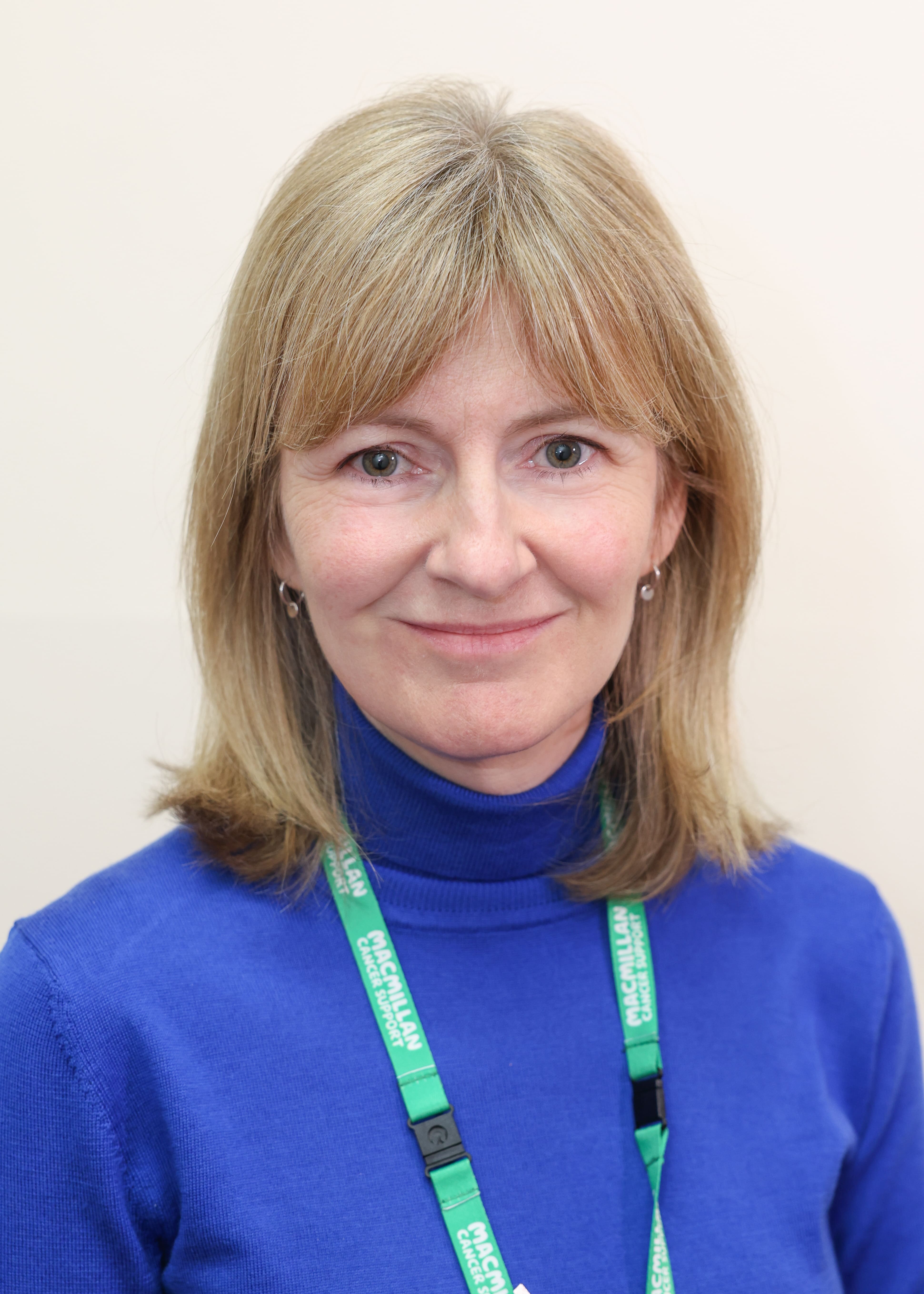
Dr Katherine Peter
Macmillan Principal Clinical Psychologist
Dr Jay McNeil
Macmillan Principal Clinical Psychologist
Chris Tinn
Macmillan Cognitive Behavioural Therapist and EMDR Therapist
Louise Horne
Macmillan Cognitive Behavioural Therapist
Dr Alice Trainer
Macmillan Principal Clinical Psychologist
Amy Newbery
Macmillan Cognitive Behavioural Therapist and EMDR Therapist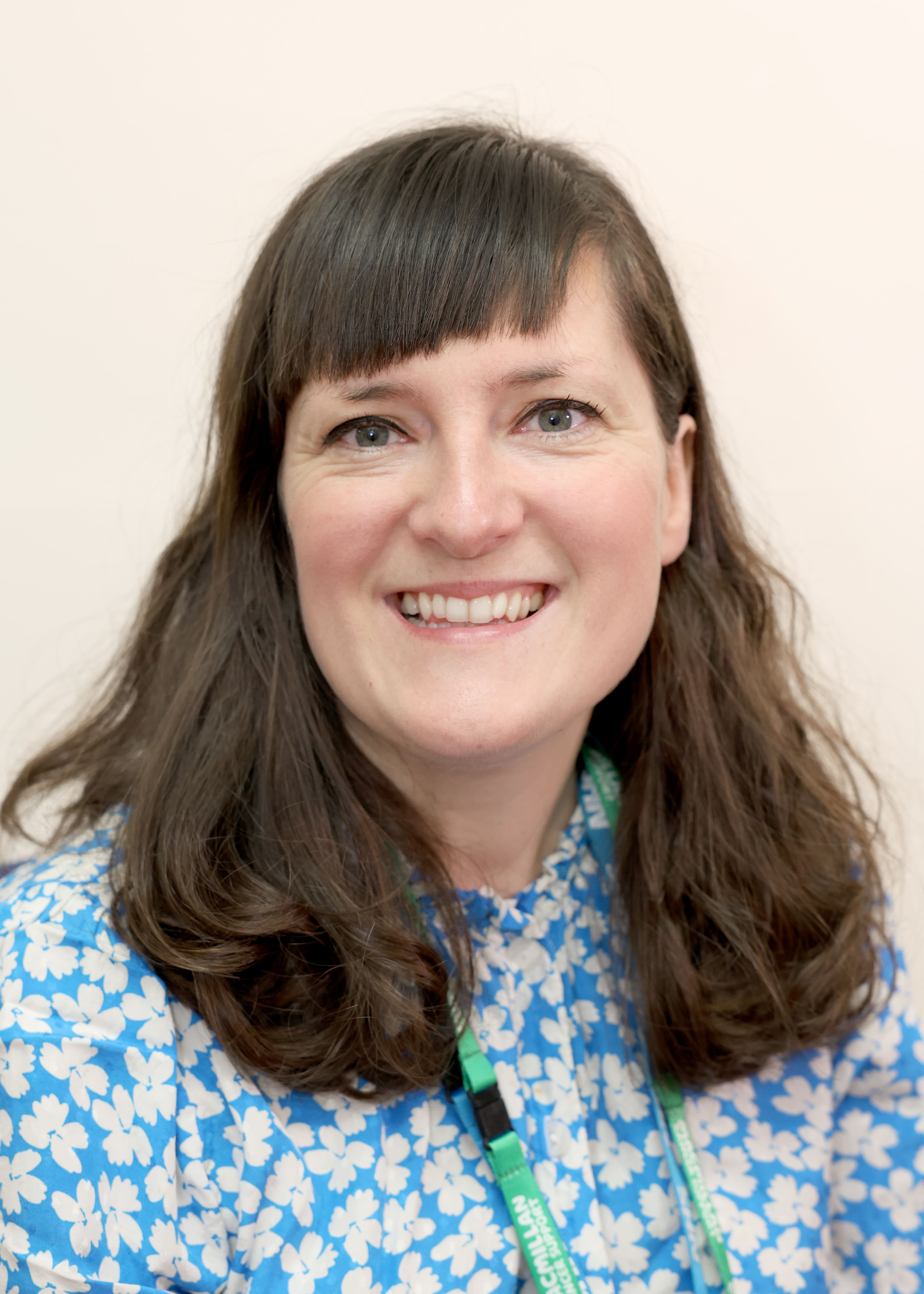
Dr Emily Howarth
Macmillan Counselling Psychologist
Joanne Poole
Macmillan Cognitive Behavioural Therapist and EMDR Therapist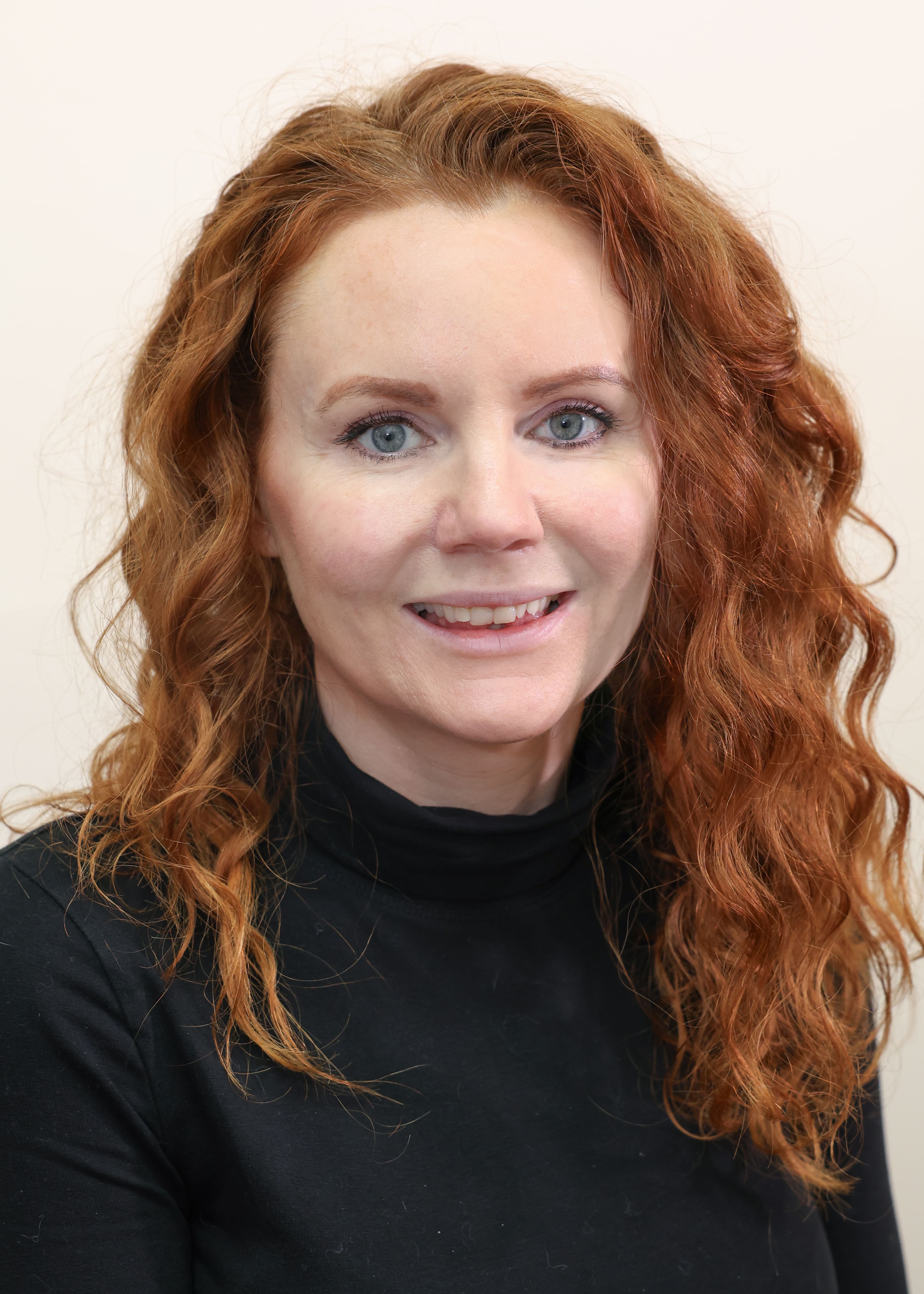
Kimberley Parkinson
Macmillan Counselling Psychologist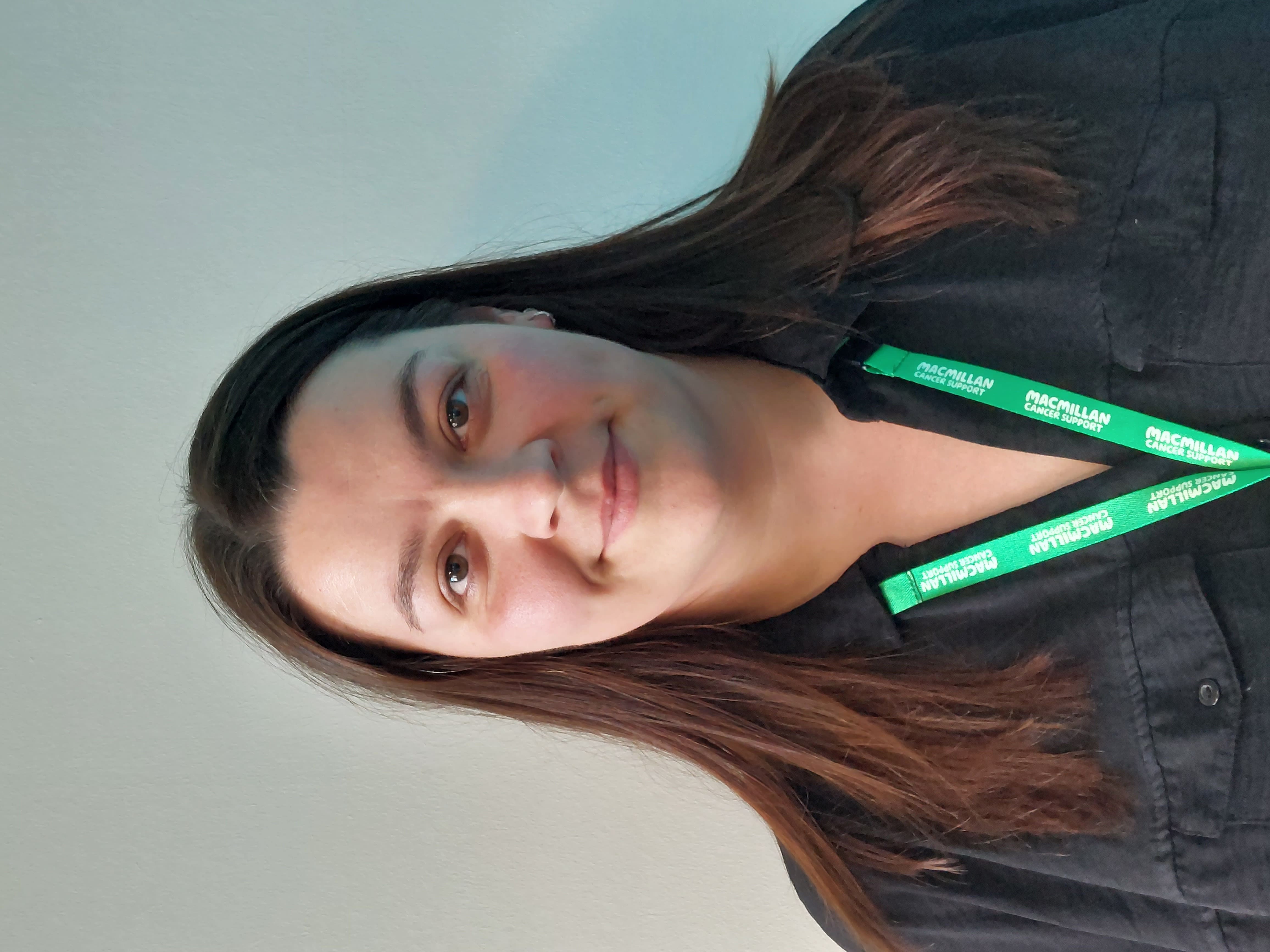
Rafael Parratt
Advanced Assistant Psychologist
Louisa Swift
Macmillan Project ManagerPhoto pending
Louise Grant
Macmillan Service User Engagement Lead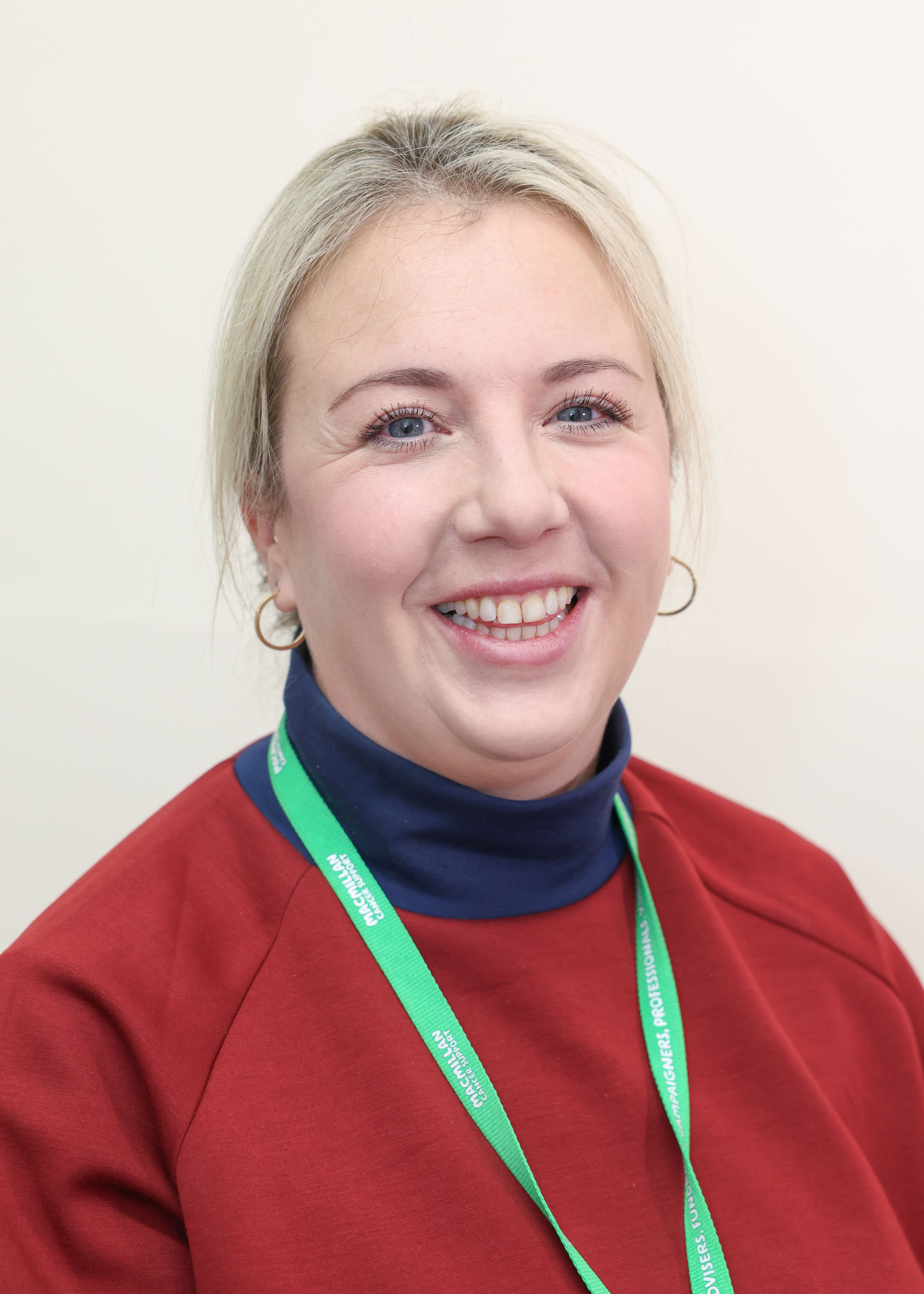
Jackie Bailey
Macmillan AdministratorPhoto pending
- Service User Engagement
We Need Your Voice
Service user involvement will be fundamental to the success of the Macmillan Psychological Health in Cancer Service. We will be working closely with people living with and affected by cancer, their carer’s, and our colleagues across Central Lancashire and South Cumbria, to ensure that their voices are heard, and that they have influence throughout the pathway.How you can get involved; Whatever level of involvement feels right for you, there are opportunities to get involved.
Service User Engagement Panel
We want people to come together and play an active part in helping to shape our service user engagement panel. The purpose of the panel will be to make sure that we’re involving a broad range of experiences and views in the development of the Macmillan Psychological Health in Cancer pathway.The panel will be made up of local people affected by cancer with its purpose being to review and input into:
- Referral and delivery processes.
- Branding and communication strategies.
- Ongoing evaluation.
By joining the panel, you’ll have the opportunity to share your unique experiences, offer valuable insights, and help shape developments that truly make a difference.
Workshops
We need people who would like to offer their support on an ad-hoc basis by taking part in a workshop related to the service and pathway design. Workshops are focused but not too formal, the aim being that everyone feels able to participate. A person may choose to be involved as their knowledge, skills, experience and interest relate to a specific topic or focus.Reviewing draft materials
We need people who would like to be involved in reviewing draft materials for the service. This will be a systematic process of evaluating a document's content, structure, language and presentation to ensure it meets its intended purpose and audience. This will include materials such as a service leaflet, posters, flyers, letters, therapy resources and webpage content.Why Your Voice Matters
The Macmillan Psychological Health in Cancer service wants to build a service that:- Reduces psychological distress related to cancer
- Improves emotional well-being and quality of life
- Supports adjustment to diagnosis and treatment
- Promotes coping strategies and resilience
- Address’s challenges such as anxiety, depression, trauma, grief and body image within the context of cancer
- Provides support to staff involved in oncology care
Service user engagement is simply about involving the people who use (or are eligible to use) a service in decisions about that service. Instead of professionals deciding everything on their own, they work in partnership with the ‘experts by experience’ – the individuals who truly understand what it’s like to receive that care or support.
By sharing your experiences and ideas, you will directly influence how we design and improve this pathway. Your input will help us make sure the service is inclusive, person-centred, and meaningful for everyone affected by cancer.
Together, we can co-create a pathway that truly reflects the needs of cancer patients throughout Central Lancashire and South Cumbria that is welcoming, accessible, inclusive, person centred, joined up, and truly makes a difference to people’s lives.
To get involved or to find out more please contact Louise Grant, Macmillan Service User Engagement Lead:
Email: louise.grant@lthtr.nhs.uk
Mobile: 07515 131629 - Patient Stories
- Contact Us
You can contact our team Monday to Friday between the hours of 9am – 5pm (Excluding bank holidays):
- By email: OncologyPsychology.Referrals@lthtr.nhs.uk
- By telephone: 07759 120983 Monday to Wednesday
- By telephone: 07724 873026 Thursday to Friday
- By telephone: 01772 523252 Monday to Friday (answer phone only)
- Macmillan Psychological Health in Cancer Service Survey
Please help us develop the new Macmillan Psychological Health in Cancer Service, a pilot funded by Macmillan Cancer Support, supporting patients 18+ under the care of Lancashire Teaching Hospitals NHS Foundation Trust and University Hospitals of Morecambe Bay NHS Foundation Trust.
The service offers emotional and psychological support to people affected by cancer. Whether you are newly diagnosed, currently undergoing treatment, or living with and beyond cancer your emotional wellbeing matters, and support is available for you.
In order to help shape and improve the service, we would be grateful of your time to complete this anonymous survey which has been designed to gather insights from people affected by cancer about their understanding, experiences, and needs related to psychological and emotional support.
If you would like to know more about ways to get involved in developing the service please contact Louise Grant, Macmillan Service User Engagement Lead via email louise.grant@lthtr.nhs.uk or by calling 07515 131629.
Macmillan Psychological Health in Cancer Service - Survey – Fill in form
- Urgent Mental Health Support
Please note that the Macmillan Psychological Health in Cancer Service is not an emergency mental health service. The service is available Monday to Friday between the hours of 9am – 5pm (Excluding bank holidays)
If you require immediate mental health support, please contact the Initial Response Service provided by Lancashire and South Cumbria NHS Foundation Trust on 0800 953 0110. This service is for people experiencing mental health crises and offers assessment, advice, and referrals to appropriate support services. Other options include calling NHS 111 or the Wellbeing Helpline and Texting Service on 0800 915 4640 or texting 'Hello' to 07860 022846.
- Alternative Formats
You can use the ReachDeck toolbar at the top of your screen to change the text size and colour contrast on this page. There is also a “translate and speak” section at the top of the page.
The Trust accessibility statement can be found here: lancsteachinghospitals.nhs.uk/accessibility
Please note that through the Service User Engagement work for the Macmillan Psychological Health in Cancer Service we will be working to produce our resources in different formats.
- Resources
Content pending

This film, made in partnership with Macmillan Cancer Support and Imperial College Healthcare NHS Trust, features just some of the Macmillan Cancer professionals playing a crucial role in helping patients reclaim their lives – both physically and mentally. It also features patients Simon and Vivien sharing their cancer experience.
Macmillan Cancer Support YouTube - Psychological care for people affected by cancer
This video offers a clear guide to understanding the role of a clinical psychologist within the NHS. It explains how psychologists use talking therapies to help individuals, including children and young people, manage their feelings and mental health challenges. The film aims to clarify what to expect from psychological support, particularly for those new to these services.
Psychologists - A video guide