A family affair - Abigail’s journey into a 'hidden' NHS profession
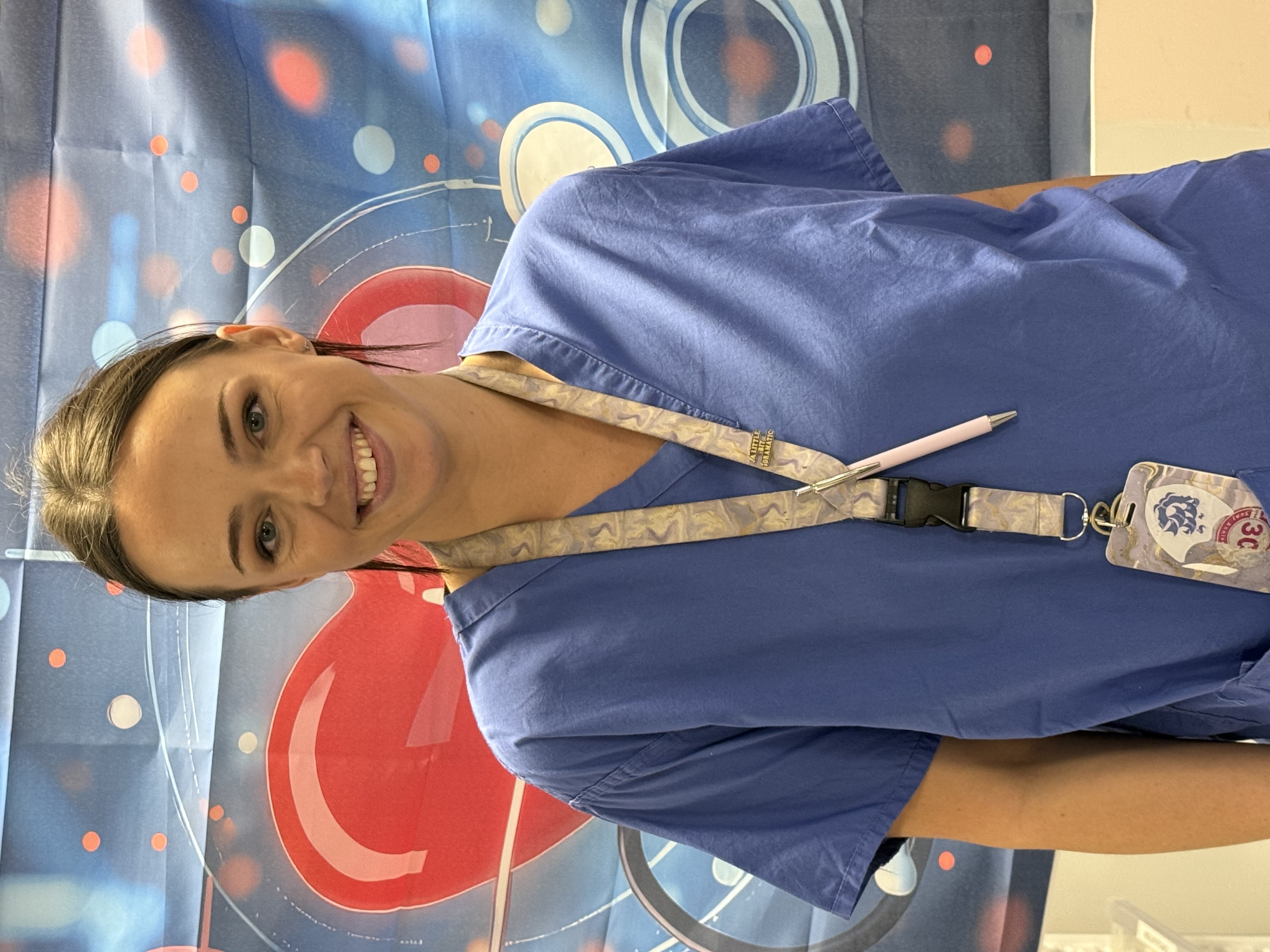 For Abigail Aspinall, Team Leader in Plastic Theatres at Royal Preston Hospital, becoming an Operating Department Practitioner was a family affair.
Often described as one of the NHS’s ‘hidden’ professions, ODPs typically work within operating theatres, meaning their vital contribution can go unseen by the public. But for Abigail, it was a role she became familiar with from an early age.
Her mum, Ros, a Theatre Manager at Royal Preston Hospital, has spent an incredible 52 years in the NHS: “My mum is a long-standing theatre nurse, so I think it’s just in the family,” said Abigail.
“She used to come home from night shifts and tell me all about what she’d been doing, and I just thought it sounded really interesting.”
Abigail has now worked in theatres for 13 years, and has been an ODP for almost seven of those - building a career in a fast-paced, highly skilled environment where no two days are the same.
Despite the critical role ODPs play, awareness of the profession remains limited: “It’s not widely known at all,” she explained. “It’s one of those professions people either stumble across or hear about through someone else. It’s definitely a bit of a hidden role.”
Reflecting on her career, Abigail is passionate about encouraging others to consider the role: “Go for it - it’s the best thing I ever did,” she said.
“It’s not for everyone, but it’s a completely different side of healthcare. You won’t find anything quite like it anywhere else. Every day is different, and every day is a challenge.”
“We’re really proud of what we do”: Joann’s perspective as a Senior ODP
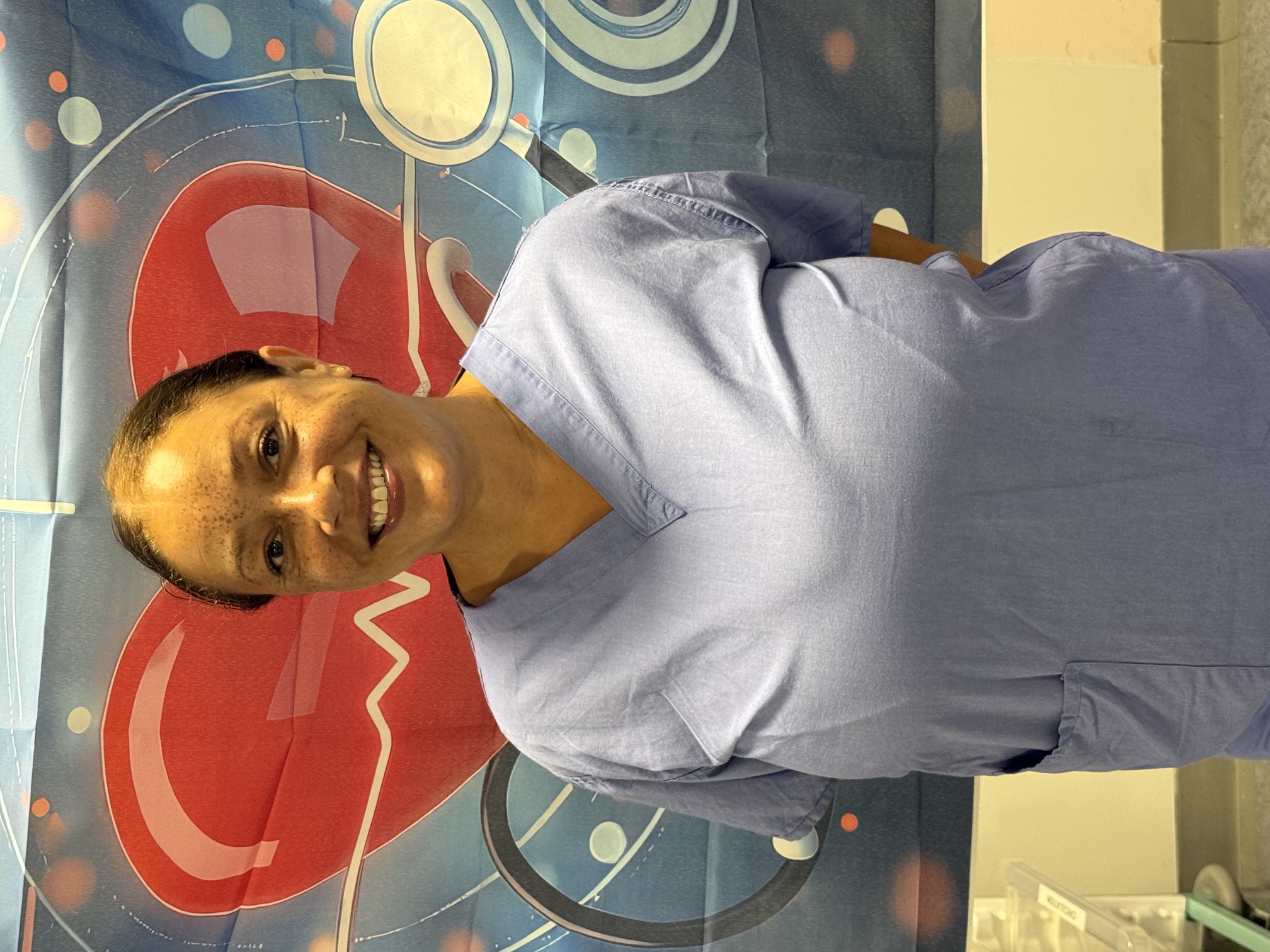 Joann Flatts, Senior ODP, has been part of the Trust’s theatre team since 2013, building years of experience in a role she remains deeply passionate about.
“I’ve been here snce 2013, so quite a while now,” she said. Joann went straight into becoming an ODP and has since developed a strong sense of pride in both the profession and her colleagues.
“Everything,” she said when asked what she enjoys most about her role. “I’m really proud to be an ODP. It’s great to get recognition - especially on days like today - for the patient care and safety work we do in theatres, because we’re not always visible. People outside don’t really know what we do.”
She also highlights the importance of teamwork in what can often be a demanding environment: “It’s hard work and can be stressful, but we’ve got a great team and we all support each other. I’m really proud of them.”
For anyone considering the profession, Joann’s advice is simple: “Absolutely, go for it. You’ll meet lots of people, plenty of characters, and you’ll do a really good job.”
“No two days are the same”: Danielle and Elaine making a difference in anaesthetics
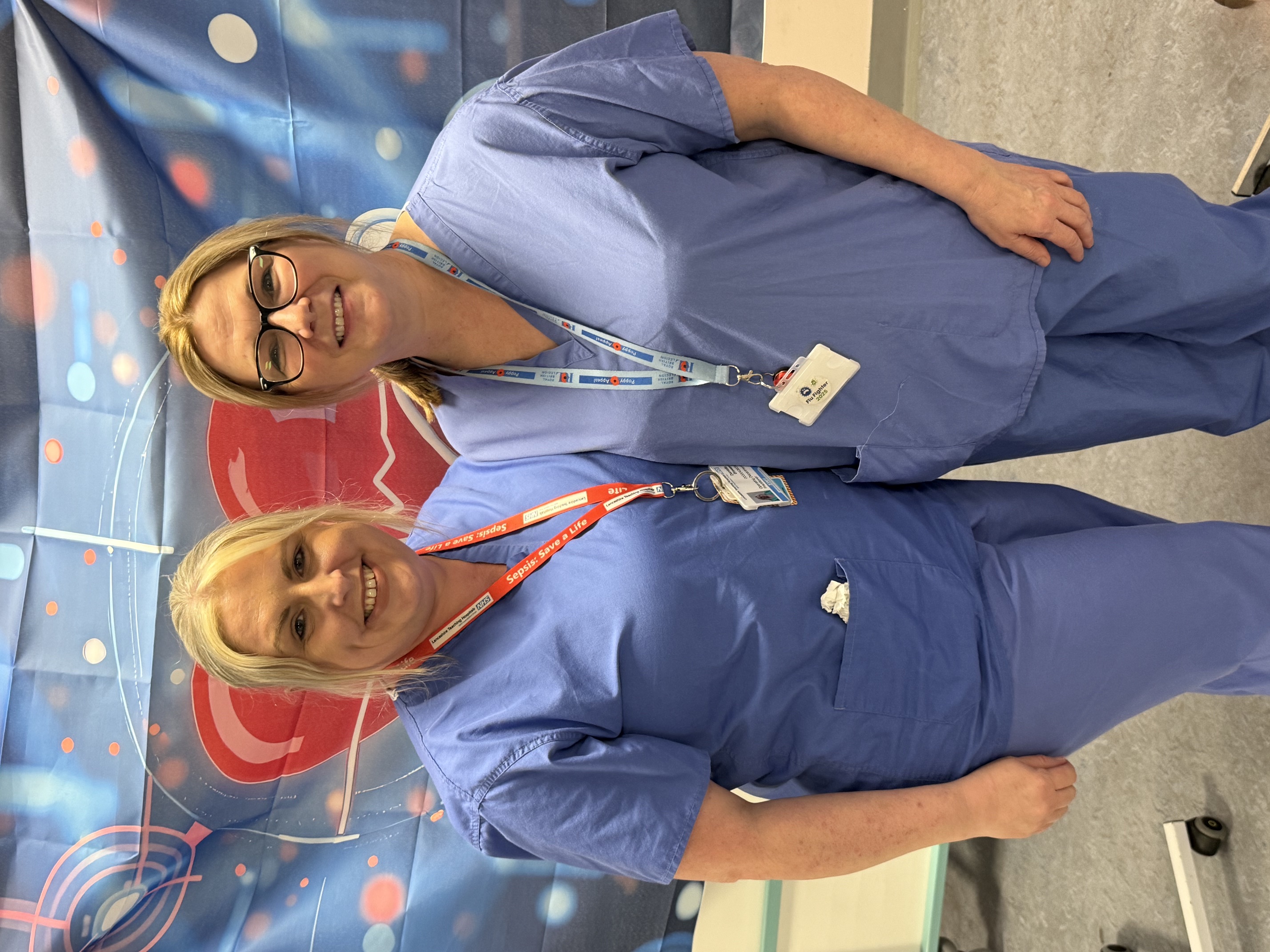 Newly-qualified ODPs Danielle Brewer and Elaine Robbins are already making a difference in theatres after qualifying through the Trust’s apprenticeship route in September.
Now working in anaesthetics, both describe the role as highly rewarding, with a strong focus on patient care.
“It’s very hands-on and more patient-focused,” they explained. “You get more direct patient contact compared to other areas.”
Both Danielle and Elaine began their careers as theatre support workers, before progressing through the apprenticeship programme - an opportunity that allowed them to develop their skills while completing a fully funded degree.
“We were really lucky,” they said. “The apprenticeship came up through the Trust, and it meant our degrees were funded.”
Their decision to pursue a career as an ODP was driven by a long-standing interest in the role, with the varied and fast-paced environment playing a key part.
“It was something we’d both been interested in for a while,” said Danielle. “I especially liked the emergency and trauma side - it really suited me.”
Like many in the profession, they highlight that ODPs are not always widely recognised, despite the number of patients they support every day. "It’s quite a hidden profession,” they said. “A lot of people don’t know about it, even though we see so many patients every day. It’s nice to have opportunities like this to shine a light on what we do.”
For anyone considering the role, their message is clear: “Definitely do it. It’s busy, but really rewarding. The team is great, and you get to work across lots of different specialities. No two days are the same.”
Celebrating ODP Day: Chloe's role isn't all singing and dancing!
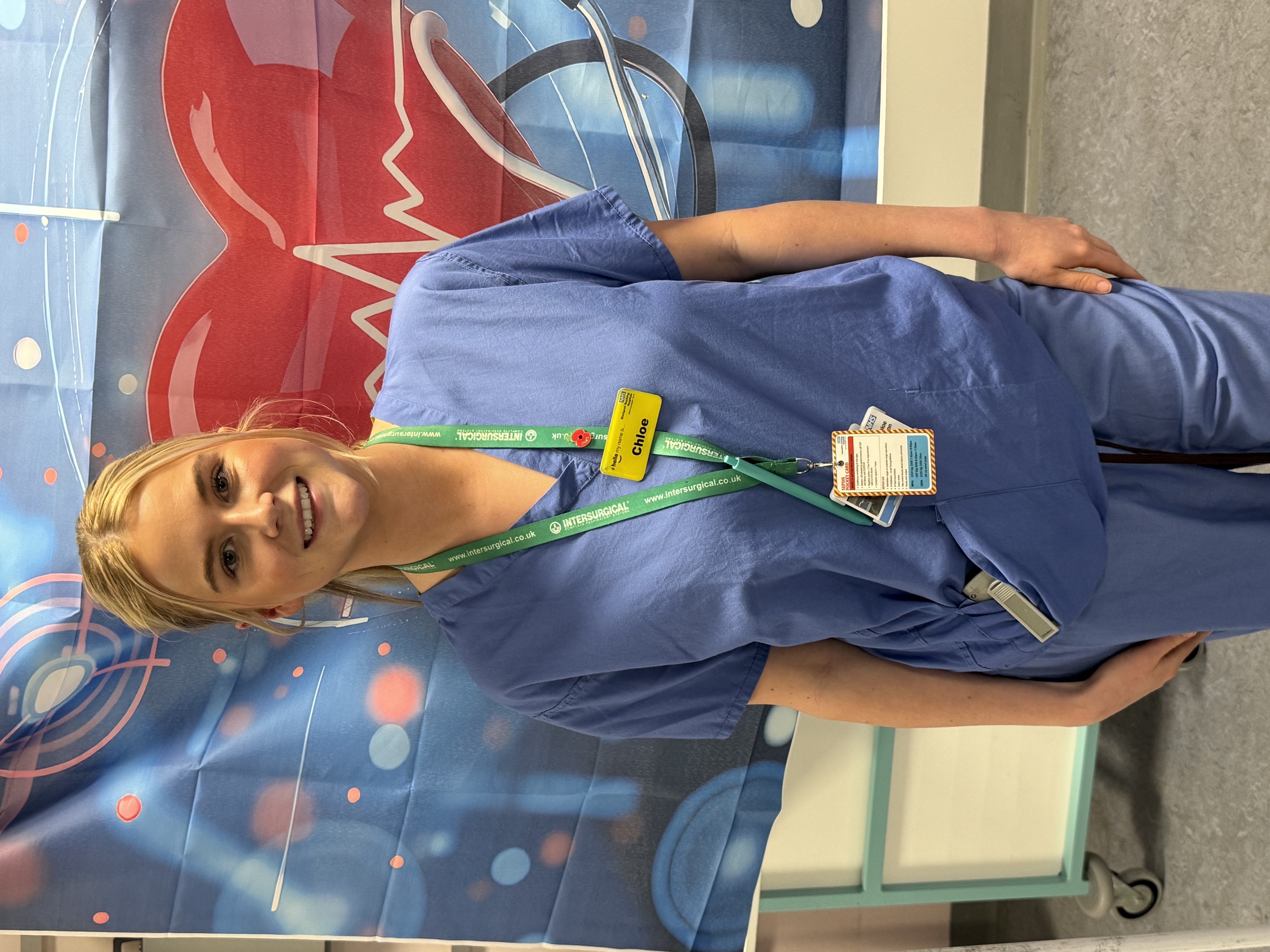 To mark ODP Day, we spoke to Chloe Ferguson, an Anaesthetic ODP, about her journey into healthcare, what she loves about the job, and why the profession still surprises people.
Despite being such a vital part of surgical care, the ODP role is often not widely understood outside healthcare settings. Chloe believes this is largely because of where ODPs work.
“Because we’re based in theatres, people don’t really see us unless it’s an emergency,” she explains. “Even when you tell people you’re an ODP, they don’t always know what that means.”
In fact, the confusion can sometimes lead to unexpected assumptions: “I once said I worked in theatres and someone thought I meant I was a singer or dancer!” she laughs.
While there may be no singing and dancing in her day job, Chloe and her fellow ODPs are still delivering performances of a different kind - skilled, compassionate care when it matters most.
Chloe qualified as an ODP last year after training in Blackpool and has now been working in her role for around eight months. While she’s early in her career, healthcare is far from new to her: “It runs in the family,” she says. “My mum and brother are both anaesthetic ODPs as well, so we’re basically a whole family of ODPs.”
That shared experience has given Chloe a strong foundation and understanding of the profession - but it’s her own hands-on experience that has really brought the role to life.
Since starting work, Chloe has found the variety of the job one of its biggest draws: “It’s much more varied here, which I’ve really enjoyed,” she explains.
Every day in theatres brings a different mix of patients, procedures and colleagues. That unpredictability keeps the work engaging and requires ODPs to stay adaptable and responsive.
“You work with different people, different patients, and different challenges all the time,” Chloe says. “You have to be really adaptable, and I like that.”
Anaesthetic ODPs like Chloe are responsible for supporting patients through one of the most critical stages of their care. From preparing equipment to monitoring patients and assisting anaesthetists, their work is essential to safe and effective surgical outcomes.
Although patients may not always remember who was in the anaesthetic room with them, ODPs are often there at some of the most vulnerable moments in a person’s healthcare journey.
And for anyone considering the profession, Chloe has a clear message: “If you like fast-paced, varied work and being part of a team, it’s a great career.”
Celebrating ODP Day: Leadership in Theatres with Victoria Harrison and Carishma Hirani
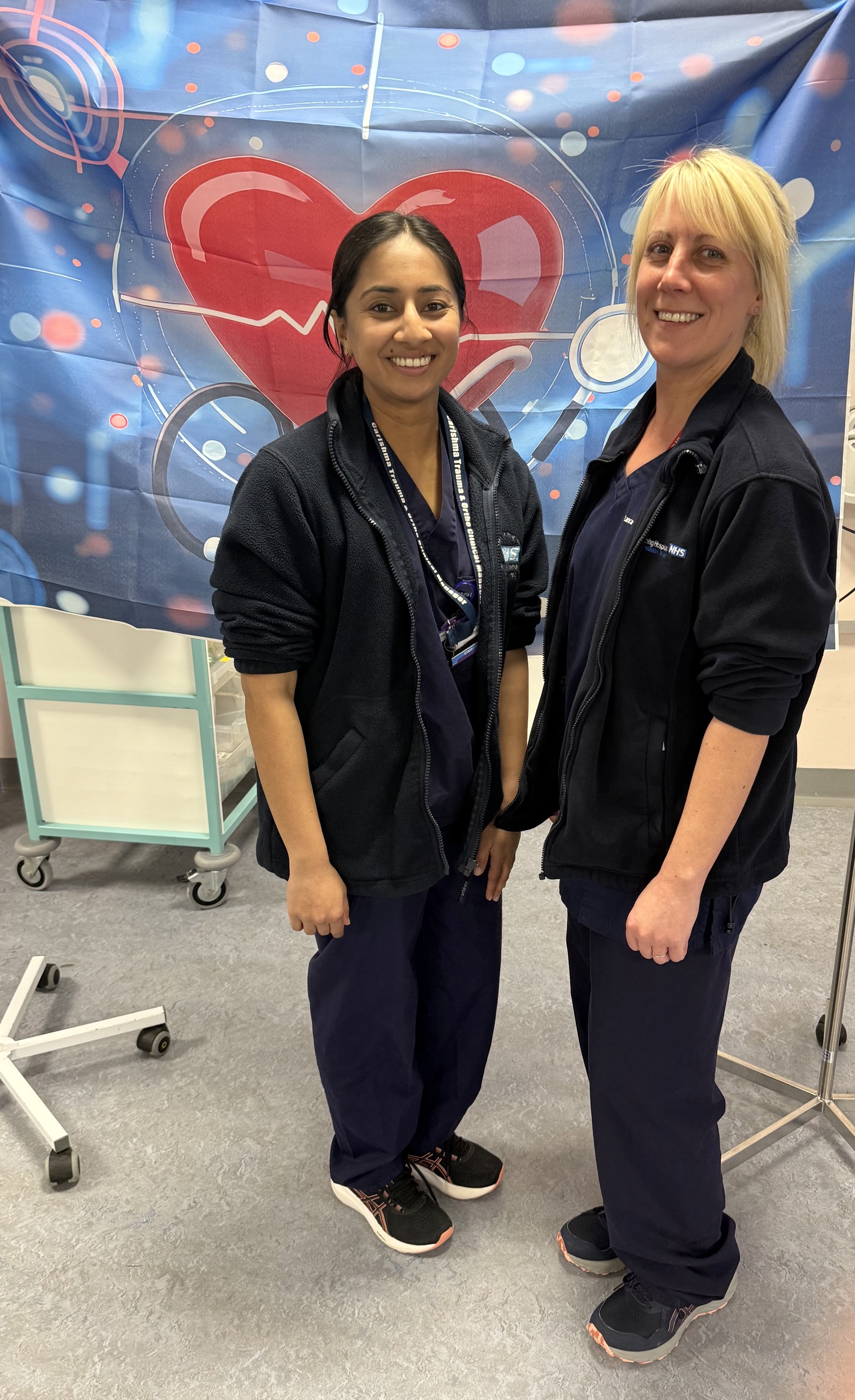 Operating Department Practitioners are at the heart of surgical care - but as careers progress, many move into leadership roles that ensure teams and services run safely and effectively.
This ODP Day, we hear from Victoria Harrison and Carishma Hirani, Clinical Managers in theatres, about their journeys, their current roles, and what makes the profession so rewarding.
Both began their careers on the frontline as ODPs and have built years of experience before stepping into management.
Victoria began as a support worker at 20 and qualified as an ODP in 2013, and she actually mentored Carishma, highlighting the strong culture of support and development within theatre teams.
For Victoria, the decision to become an ODP came down to choosing between nursing and theatre-based training.
“I realised theatres were for me - I enjoy the surgical environment and the pace,” she says. “I’d also seen the care ODPs gave to relatives, which really stood out.”
That combination of technical skill, teamwork and compassion continues to define the role - whether on the clinical floor or in a leadership position.
Like many in the profession, both Victoria and Carishma agree that ODPs are still not widely recognised: “We don’t always get the same visibility as other roles, so it’s great to have days like this to highlight what we do.”
ODP Day provides an opportunity to shine a light on the essential but often unseen work that takes place behind theatre doors.
While their clinical roots remain central to their roles, their day-to-day responsibilities now focus on keeping services running smoothly: “A lot of it is operational,” they explain. “Staffing, workforce planning, HR, and making sure we have the right equipment and resources in place.”
In areas like trauma and emergency care, unpredictability is part of the job. “We never know what’s coming through the door, so it’s about being prepared for anything.”
Alongside this, they must also balance budgets while maintaining high standards of care, ensuring patient safety is never compromised.
For those considering becoming an ODP, their advice is simple:
“Go in open-minded. It’s fast-paced and can be intense, especially in trauma settings, but it’s incredibly rewarding.”
They also emphasise the importance of teamwork.
“It’s a very close-knit environment. Everyone plays a vital role - we’re all part of the same system, and we rely on each other. It’s a supportive and rewarding place to work.”