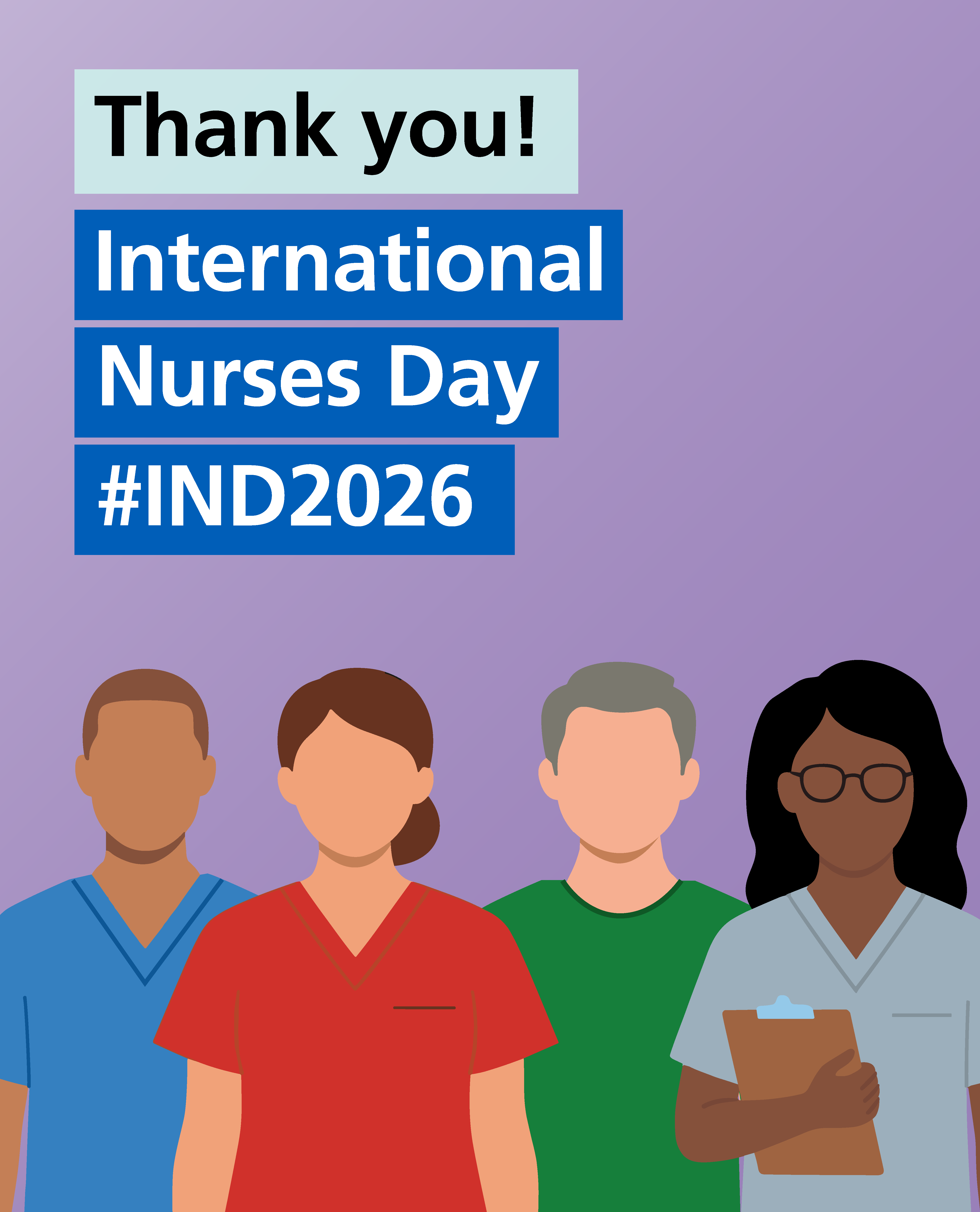
 On International Nurses’ Day, we take a moment to recognise and celebrate the extraordinary contribution of our nurses, nursing associates and nursing students, whose compassion, skill and dedication make a difference to people’s lives and our communities every single day.
Across every sector and setting, the nursing profession plays a vital role at the heart of our communities, the NHS, and health and social care. From supporting people at the beginning of life to providing care at its most complex and challenging moments, nursing colleagues are central to delivering safe, high-quality care and improving outcomes for patients.
Marking the day, Duncan Burton, Chief Nursing Officer for England, said: “Thank you to every nurse, midwife, nursing associate and nursing and midwifery student across England. Whether it’s delivering expert care and support, providing clinical leadership or driving research, innovation, prevention and education, you make a difference to people’s lives every single day.
“I decided I wanted to become a nurse at the age of 15, and it remains the best decision I ever made. For me, nursing is about people and doing all we can to support them and improve their lives.
“Our nursing and midwifery professions are central to delivering the 10 Year Health Plan and the changes we want to see for our patients and communities. Our upcoming professional strategy will set a clear vision for the future for all nurses, midwives and nursing associates in England; supporting us to deliver the plan and improvements across health and care, better support colleagues throughout their careers and ensure our professions remain modern careers of choice for more people.
“As we mark this day, I hope you will take a moment to reflect on your vital contribution and that of our professions. Thank you for everything you do.”
The 10 Year Health Plan highlights the essential role that nursing colleagues will play in rebuilding and renewing the NHS. Nurses are at the forefront of the three fundamental shifts needed to transform care delivery: moving care from hospitals to communities, making better use of digital technology, and focusing on preventing ill health.
Looking ahead, the upcoming professional strategy for nursing will provide a clear, ambitious vision for the future. It will set out how the profession will help deliver key commitments in the 10 Year Health Plan, support colleagues at every stage of their careers, and ensure nursing continues to be seen as a modern, rewarding career of choice.
Nursing offers an incredibly diverse and fulfilling career, with over 50 specialisms across adult, children’s, mental health and learning disability nursing. Whether entering the profession through a university degree or a registered nurse degree apprenticeship, there are more opportunities than ever to join the NHS workforce and make a real difference.
A nursing degree provides hands-on training through a variety of placements, enabling students to gain practical experience while learning. Financial support is also available, including the NHS Learning Support Fund, which offers at least £5,000 per year, with additional payments available for specific specialisms and parental support.
For those seeking a more flexible route, the registered nurse degree apprenticeship allows individuals to train while they work, removing the need for full-time university study. Significant investment is expanding these opportunities, helping to grow the future nursing workforce.
If you are considering a career in nursing, you can still apply to universities across the country and begin your journey in one of the most rewarding and impactful professions. To explore the wide range of opportunities available, visit the NHS careers website, and for information on the Practice-Based Pathway, delivered by the Trust in partnership with ULan, watch the video.
Join us throughout the day as we highlight some of our nursing colleagues, who talk about why they got into nursing, what they enjoy most about the profession, and their advice for anyone wanting to become a nurse.
First up is Michelle Albon, Senior Sister/Charge Nurse on the Critical Care Unit (CCU)
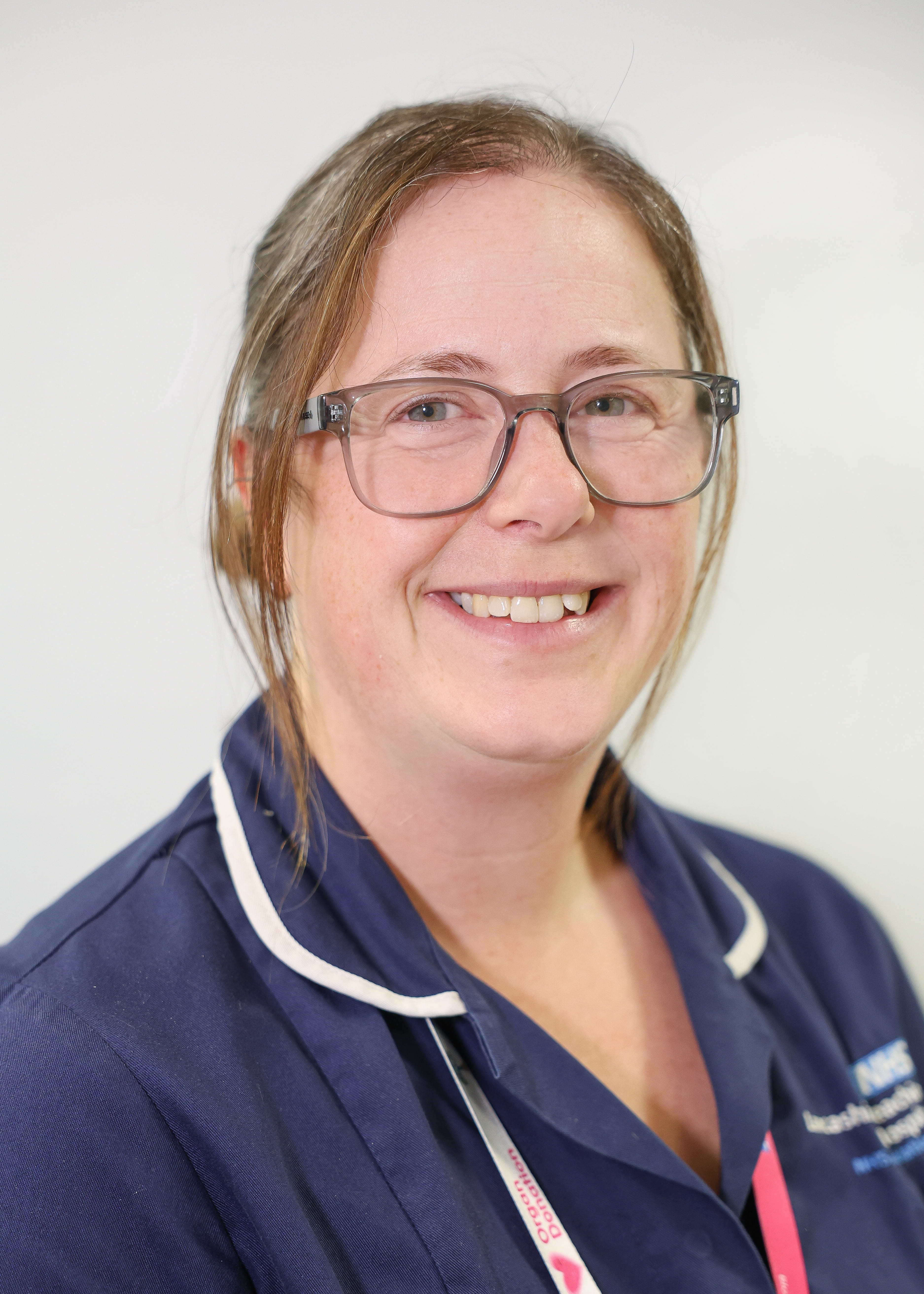
Celebrating International Nurses’ Day: “It’s a vocation - you enjoy making a difference”
This International Nurses’ Day, we’re celebrating the dedication, compassion and expertise of our nursing teams and the difference they make to patients every day.
For Michelle Albon - Senior Sister/Charge Nurse on the Critical Care Unit (CCU), nursing has always been personal.
“My mum was a nurse, and she was a real inspiration to me,” she said. “Everyone loved working with her, and patients were always so happy with the care she gave.”
After training in Salford and gaining experience closer to home on the bank in Lancaster, at times alongside her mother, Michelle returned to Lancashire and joined the Trust in 2003.
“I came back home from Salford and got a job in Preston, worked on Ward 12 for a year, then came to the CCU and it felt like home as soon as I arrived,” she said. “Everyone has been so supportive, and I wouldn’t have stayed as long as I have if I didn’t love being here.”
Over the last two decades, she has progressed into a senior leadership role while continuing to support patients and colleagues.
“It’s always been really supportive here. If there’s ever something wrong with a patient, there’s always someone around to help. We’re like a little family down here.”
Alongside her leadership role, she also leads a follow-up clinic, seeing patients several months after discharge.
“It’s really nice to hear how they’re doing and improving,” Michelle said. “Sometimes we let them come back onto the unit to have a look around, and that’s lovely.”
While acknowledging the pressures facing healthcare, she says the rewards of nursing remain the same: “No two days are ever the same, it's interesting, and you go home at night feeling fulfilled, knowing you’ve done a good job.”
For anyone considering a career in nursing, her advice is to gain experience first and explore the many different opportunities the profession can offer: “I would do some work in healthcare first and make sure it is something you want to do. Then there are so many different pathways once you qualify - it’s endless really,” she said. “And it doesn’t matter how old you are. We’ve had people come into nursing after completely different careers.”