This year's International Day of the Midwife theme is 'One Million More Midwives' - highlighting the urgent need for investment to bridge a global shortage. The day itself focuses on advocating for better midwifery care, celebrating professionals and fostering worldwide awareness of maternal and newborn health.
As we celebrate our midwives at Lancashire Teaching Hospitals, one word came up time and again in our conversations - continuity.
Continuity of care matters, it can be the difference between care that is delivered, and care that is truly felt.
What makes midwifery unique isn’t just clinical skill, it’s the relationships that are built over time.
“We’re with them every step of the way,” says Bryony Warner, Lead Midwife for Diabetes - the idea that being there, consistently, throughout pregnancy, birth and beyond, is what continuity looks like in practice."
For Emily Pickering, a community midwife, it’s about seeing the bigger picture: “Following a woman through her journey - from pregnancy to growing a family, you build real relationships. That’s what it’s all about.”
For Sally McLachlan, also a community midwife, it’s about trust: “You build relationships with women and their families. You can advocate for them - you’re there when it matters.”
For Fiona Dunn, with more than two decades of experience, it becomes something even deeper: “I’ve looked after women through multiple pregnancies. You build real relationships - it’s special.”
And for Alice Bick, it’s about pride: “Seeing families come back and grow, it’s really special. Just doing this job makes me feel proud.”
Continuity of care isn’t just something midwives value, it’s something that improves outcomes for women and babies.
As team leader Kim Parekh explains: “Continuity is the main aspect of what we do. We provide it wherever we can - but with more midwives, we could do even more.”
For Tshephang - or Tsheppy - Moleele, a rotational midwife who joined the Trust from Botswana, midwifery may look different across countries, but its purpose is the same: “I enjoy supporting women and their families through every stage - physically and emotionally.”
Wherever midwives work in the world, continuity remains at the heart of care.
Student midwives Caitlin Mead, Ellen Barker and Robyn Walker are already experiencing both the rewards, and the realities, of the profession: “It’s tough,” they say. “But when you have good days, they’re really good days.”
Their voices are a reminder: growing the workforce isn’t just about recruitment, it’s also about supporting and sustaining those already on the journey.
Again and again, our midwives return to the same message. This is more than a job: “You go home knowing you’ve done something meaningful,” says Emily. “It’s a vocation.”
For Sally, who retrained at 40: “It’s the best thing I’ve ever done.” And for Bryony: “There’s no other job like it.”
Our midwives in focus
Bryony Warner - Lead Midwife for Diabetes
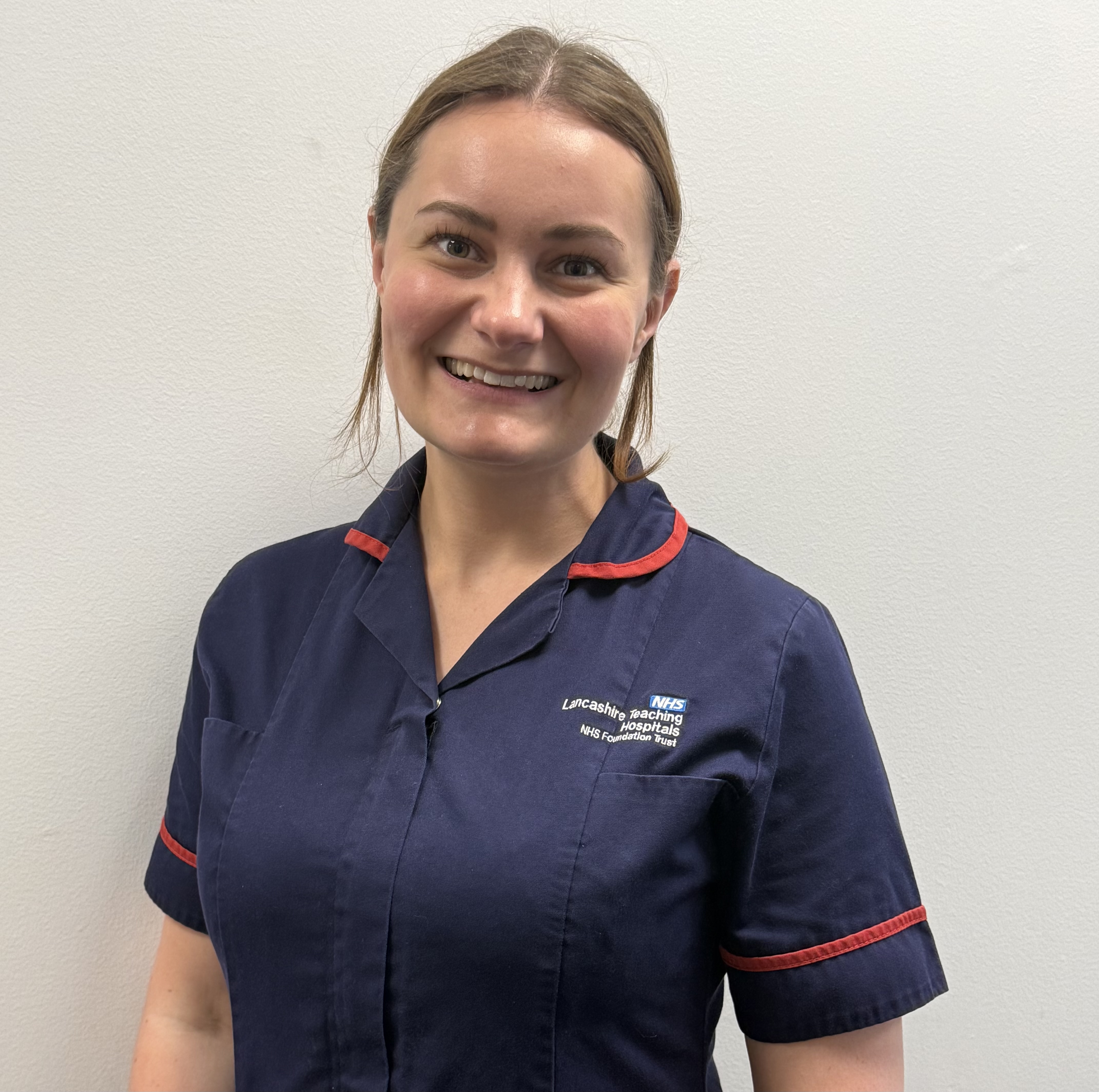
Bryony is the Lead Midwife for Diabetes at Preston and has been with the Trust for nearly five and a half years.
“I love the variety and the care we provide for women,” she says. “My speciality is supporting high-risk women, so we see them frequently throughout pregnancy.”
Bryony also works within a continuity team, caseloading women throughout their entire journey - from pregnancy through to labour, birth and postnatal care.
“We really get to know our women. We’re with them every step of the way, and I just love that.”
She is particularly proud of how her team manages the complexity and demand of the role: “We’re a relatively small team caring for a wide range of complex cases, but we work really well together and provide joined-up care throughout.”
Her advice to anyone considering midwifery is simple: “Definitely go for it. It’s challenging, but there’s no other job where you get to work alongside women during such a special time in their lives. It’s a privilege.”
Emily Pickering - Community Midwife
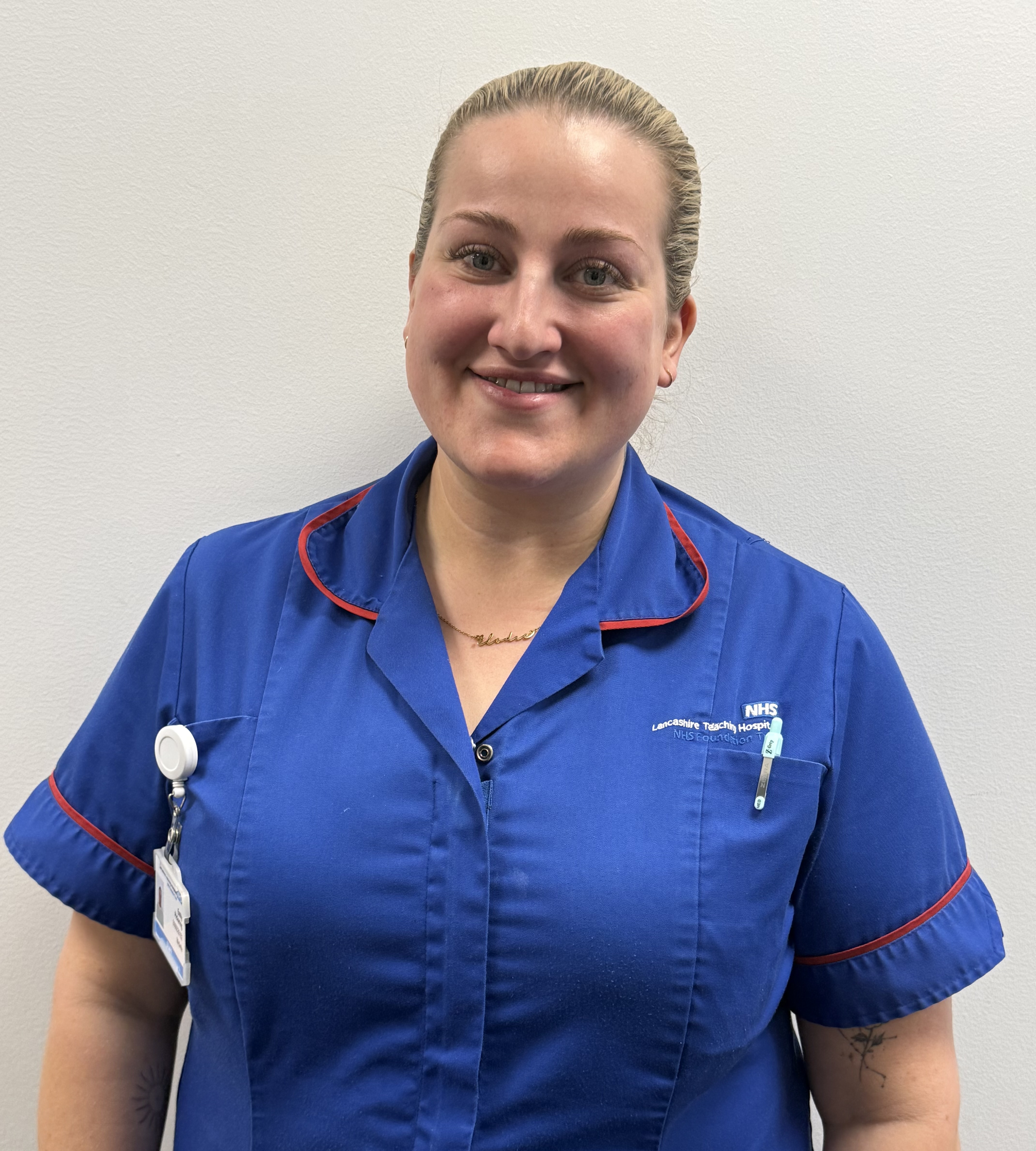
Emily is a community midwife and has worked at the Trust since qualifying nearly four years ago.
After training at the University of Salford and completing placements in Bolton, she joined the Trust for her preceptorship and has stayed ever since.
“I did my rotations and then moved into community midwifery, and I absolutely loved it. It’s definitely where I want to be.”
Her day-to-day role is varied, from clinics and home visits to supporting asylum seekers through dedicated caseloading.
“I’m a busy girl,” she laughs.
For Emily, continuity of care is at the heart of the job.
“Following a woman through her journey - from pregnancy to growing a family, and even subsequent pregnancies, you build real relationships. That’s what it’s all about.”
Her message to future midwives: “You’ll absolutely love it. You go home every day knowing you’ve done something meaningful. It’s definitely a vocation.”
Tshephang Moleele - Rotational Midwife
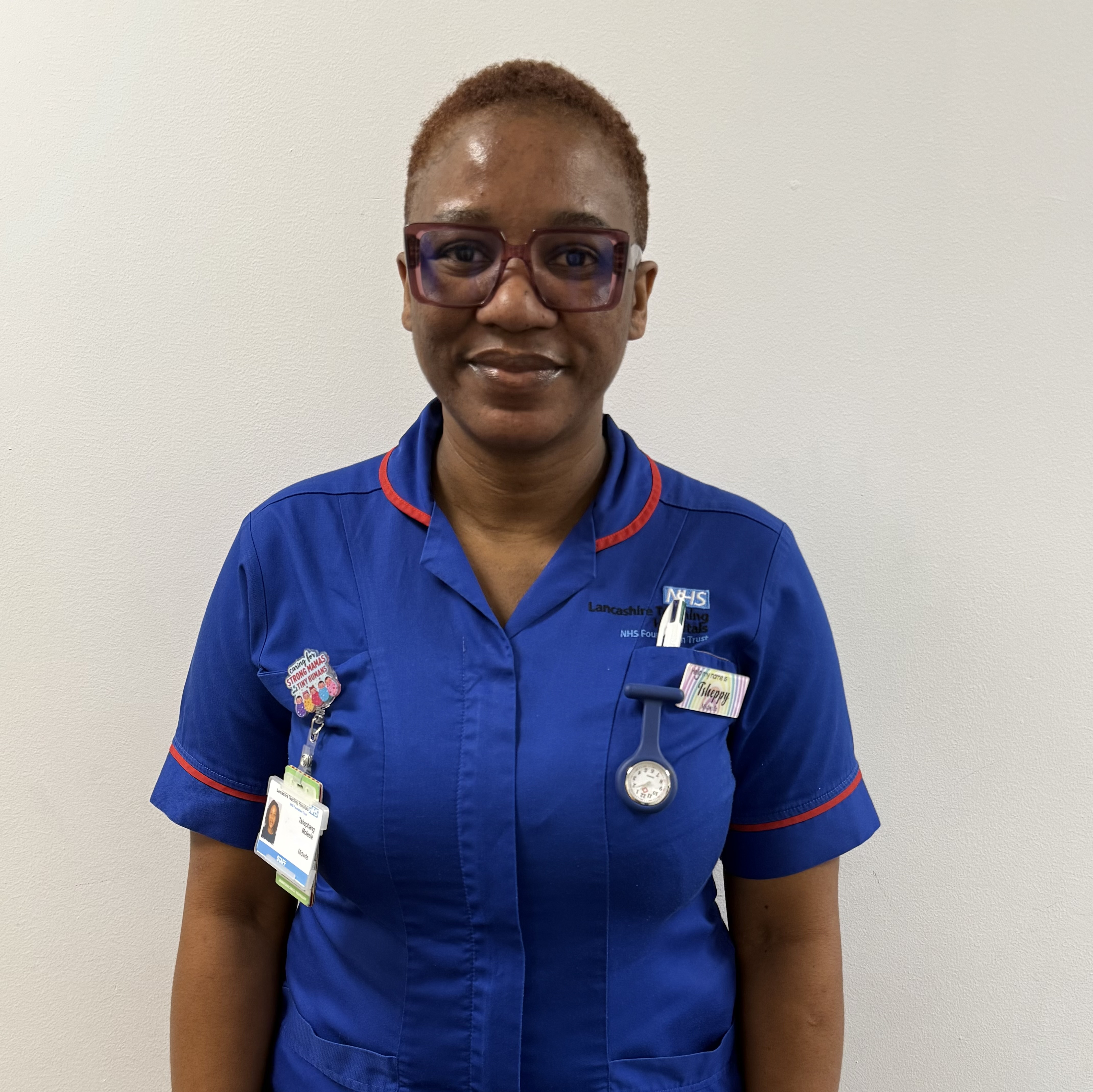
Tsheppy is an international midwife who joined the Trust in 2023 after qualifying in Botswana in 2021.
“I came here to develop my knowledge and skills and grow both personally and professionally,” she explains. “There’s a lot of technology and different ways of doing things, and I wanted to learn more and stay up to date with best practices to provide effective care.”
Tsheppy has always had a passion for caring for newborns as she worked in the neonatal unit for 6 years before she joined midwifery. This then led her into midwifery: “Now I really enjoy supporting women and their families through antenatal, intrapartum and postnatal care - both physically, psychologically and emotionally.”
She is particularly proud of her work in the community and providing continuity of care.
“Supporting women throughout their whole journey is something I really value.”
Her advice is clear: “Go for midwifery. The more experience you gain, the more your knowledge and skills grow. It’s a very rewarding profession.”
Sally McLachlan – Community Midwife
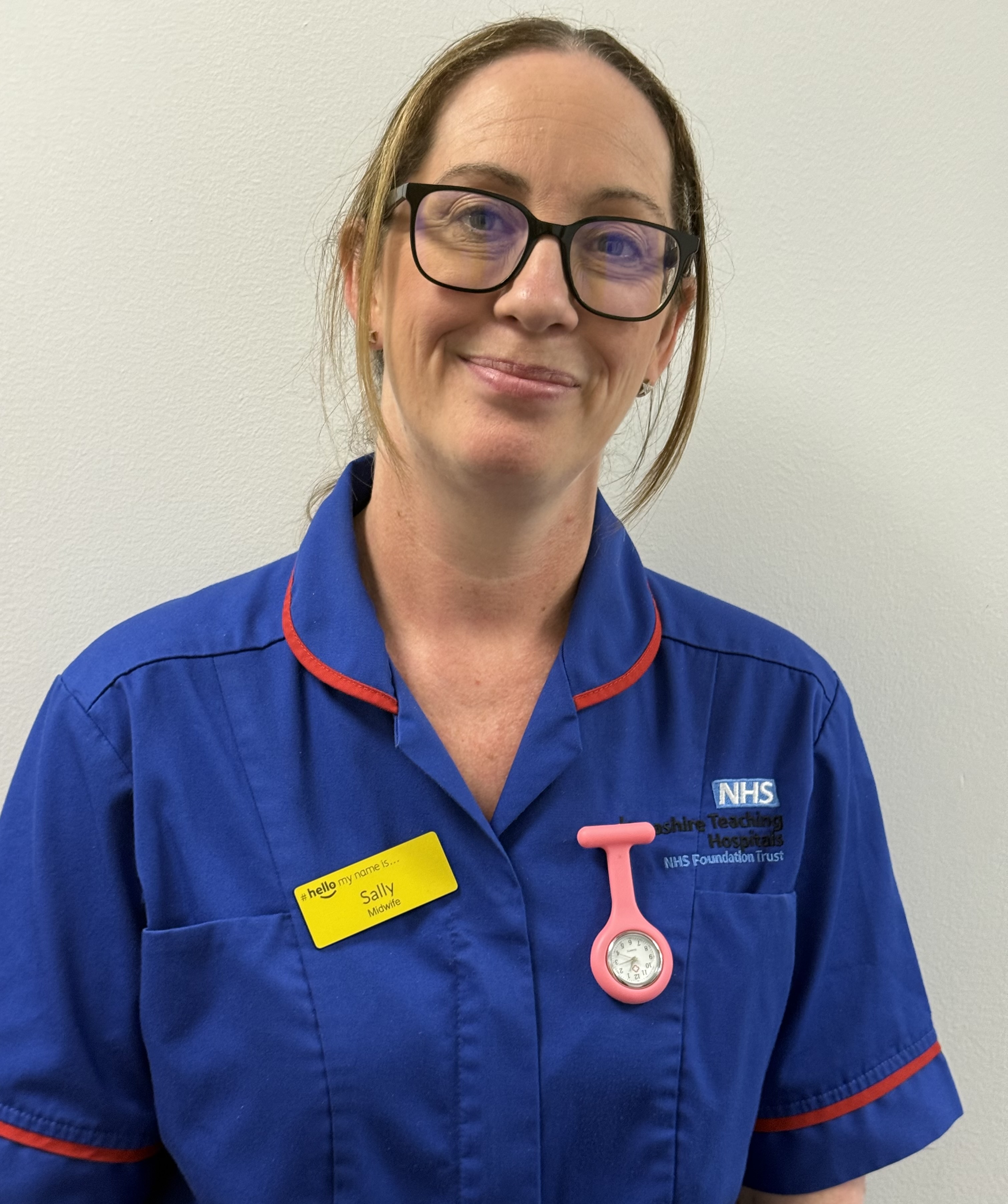
Sally McLachlan has been a qualified midwife for nearly three years and has worked in community midwifery for the past 18 months.
“I absolutely love being in the community,” she says. “You get that full continuity - you see women from booking all the way through to postnatal care.”
She highlights the importance of relationships in her role: “You build trust with women and their families. You can advocate for them and really be there when it matters.”
Sally also leads an “early bird” antenatal group in Preston West, supporting women early in their pregnancy journey: “I organise bookings and appointments and then often go on to caseload those women - it’s lovely to follow their journey.”
Sally came to midwifery later in life, starting her training at 40 after working as a childminder, and she advised: “It’s never too late. It’s the best thing I’ve ever done.”
Alice Bick - Community Midwife
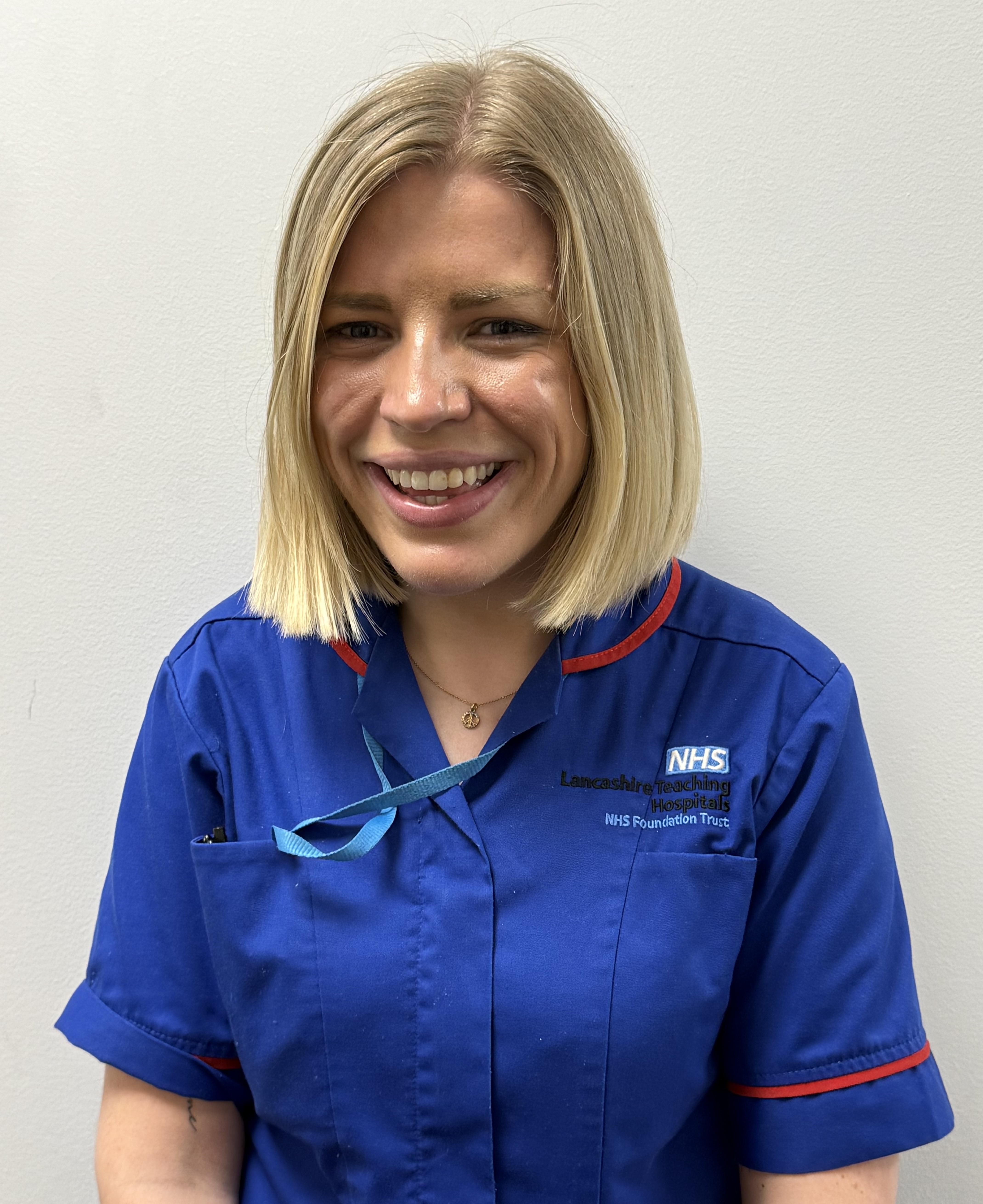
Alice Bick has been a midwife for around three years, training in Manchester before joining the Trust.
Midwifery has long been her ambition: “I just didn’t think I would get there at first - but here I am. Since I was about 14 I wanted to be a midwife. I did four years in Manchester, an access course and then midwifery, and now here we are."
For Alice, the most rewarding part of the job is continuity: “It's great to see all the women throughout their journeys and when you've been in the role some time, maybe seeing them return with their growing families - it’s a really special time in their lives."
She says simply: “Just doing this job makes me feel proud, I wouldn't want to do anything else."
Her advice to others is enthusiastic: “Go for it. We need you - come and join us.”
Fiona Dunn - Community Midwife
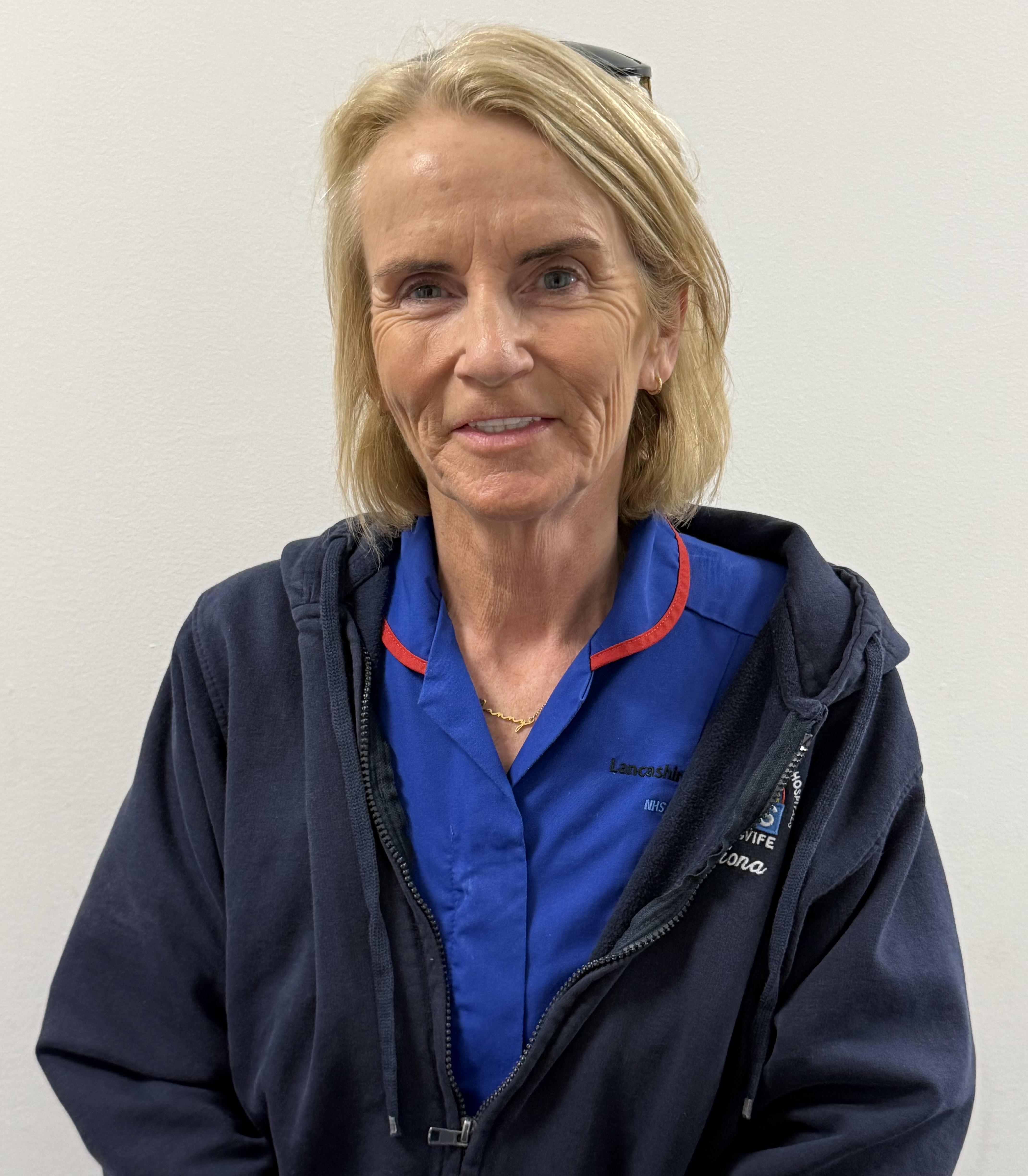
Fiona Dunn has been a midwife for 21 years and has spent the majority of her career working in the community.
Before midwifery, she worked as a general nurse in areas including intensive care and theatres.
“It was a friend who planted the seed for midwifery, and I’ve never looked back.”
For Fiona, continuity of care is the standout aspect of the role: “I’ve supported women through multiple pregnancies. One lady I’ve looked after now has 10 children - we’ve built a real relationship.”
She values the trust that develops over time: “It’s about being there for women, seeing them through, and meeting them again at the next stage of their lives.”
Her advice is grounded and honest: “You need to go into healthcare with an open mind. It’s a 24-hour service, 365 days a year. You get out what you put in, and it’s incredibly rewarding.”
Kim Parekh - Community Midwifery Team Leader
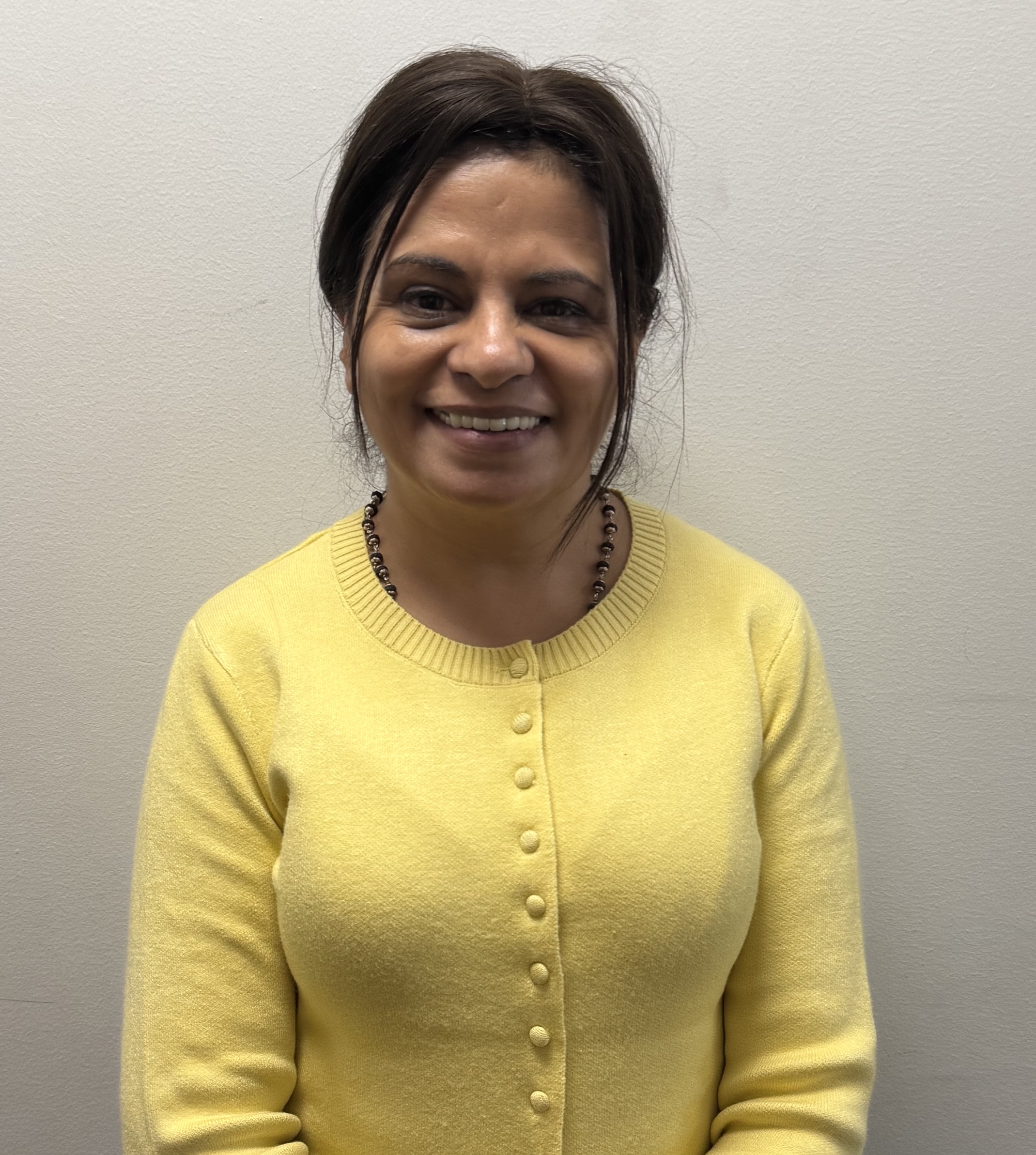
Kim Parekh has worked in midwifery for over 17 years and is now a community team leader.
Her career has spanned rotational roles, delivery suite and community midwifery.
“I’ve loved every aspect of it,” she says. “I love improving outcomes for women and babies, and supporting midwives to deliver great care.”
Kim is passionate about both clinical care and leadership: “I love being with women, supporting families, and giving them the information they need to make decisions about their care.”
She particularly values her team: “I’m proud of what we do and the service we provide for women and families.”
Her message to aspiring midwives: “It’s a vocation - it’s a passion. I would encourage anyone interested to explore midwifery and consider joining us.”
Student Midwives - Caitlin Mead, Ellen Barker and Robyn Walker
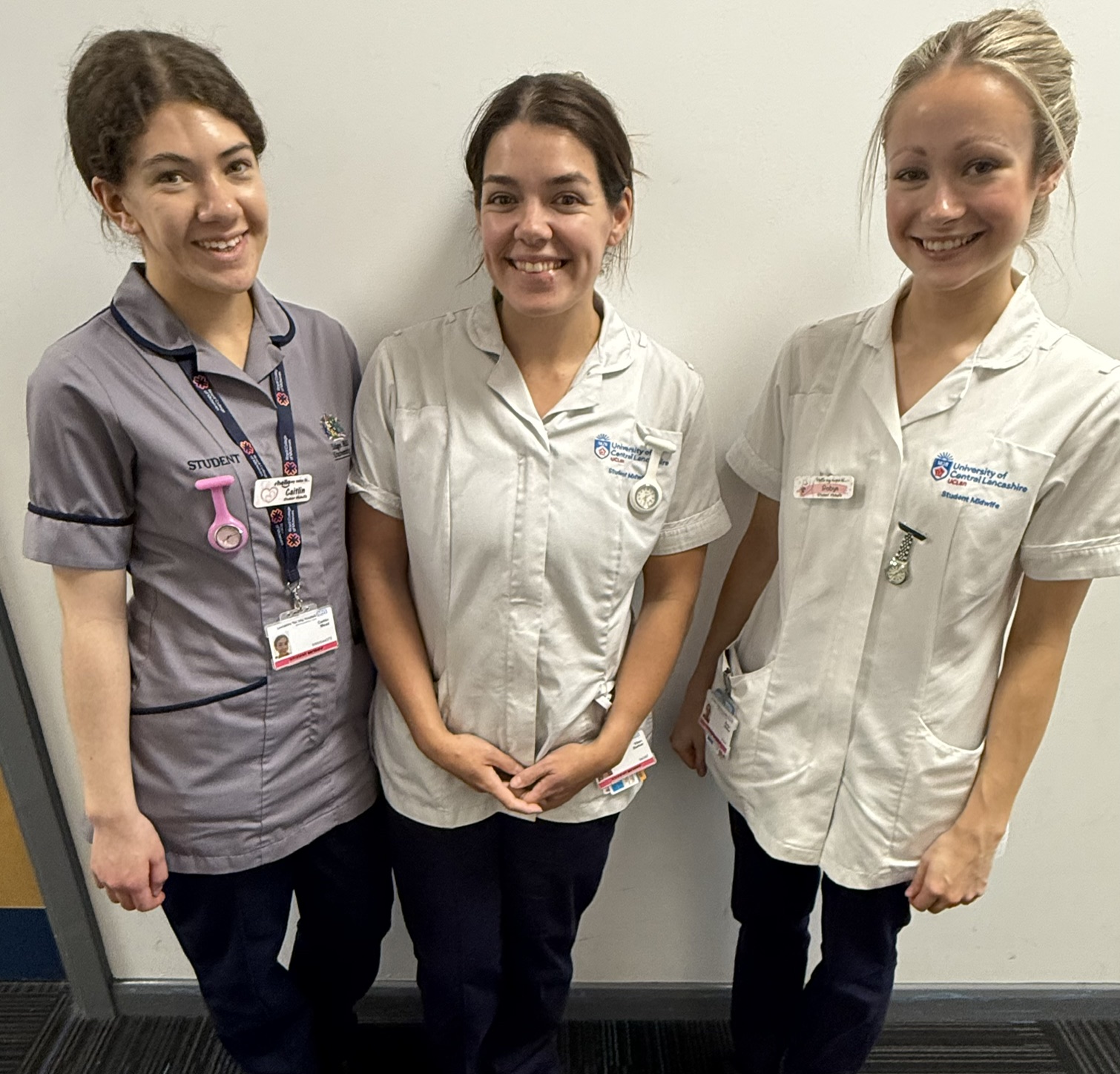
Caitlin Meade, Ellen Barker and Robin Walker are student midwives at different stages of their training.
For Caitlin, the ambition started early: “I’ve wanted to be a midwife since primary school - I never thought of doing anything else.”
Ellen’s journey came after becoming a parent herself: “I always wanted to work in healthcare, but after having my little boy, I knew this was what I wanted to do. Training where I gave birth makes it even more special.”
Robin initially considered paediatric nursing before discovering midwifery: “It just felt right - it’s everything I was looking for.”
All three agree the course is demanding but rewarding: “It’s really tough and high-pressure,” they say. “But when you have good days, they’re really good days, and that keeps you going.”
Their message to others considering the career: “If you’re thinking about it, do it. It’s hard work, but it’s worth it."